The Transition from Prison to Community
Nahra, Alia, David Jonathan Knight, and Bruce Western. “The Transition from Prison to Community.” RSF Journal of the Social Sciences 11, no. 3 (October 2025), pp. 230-281 (Special Issue on Racial Bias in Law Enforcement, Criminal Justice, and Incarceration) https://doi.org/10.7758/RSF.2025.11.3.06
Abstract: High US incarceration rates in the 1990s and early 2000s produced large cohorts of men and women who left prison and returned, disproportionately, to low-income communities of color. Called reentry, the transition from prison to community is a process of social integration where formerly incarcerated people establish, with variable success, a foundation of material security, and connections to major social institutions such as the family and the labor market. This literature review summarizes research on reentry, examining its demographic dimensions, the legal and policy environment, and research on families, housing, health, incomes, and criminal desistance. The review indicates that criminalization and punishment in the reentry process stymie social integration, while support from family and social policy is socially integrative. Research also indicates large racial inequalities where, besides the racial disparity in incarceration, the severity of incarceration and the obstacles to social integration are greater for Black men and women leaving prison.
- 000.
Carceral Passages: Coming of Age in Prison America
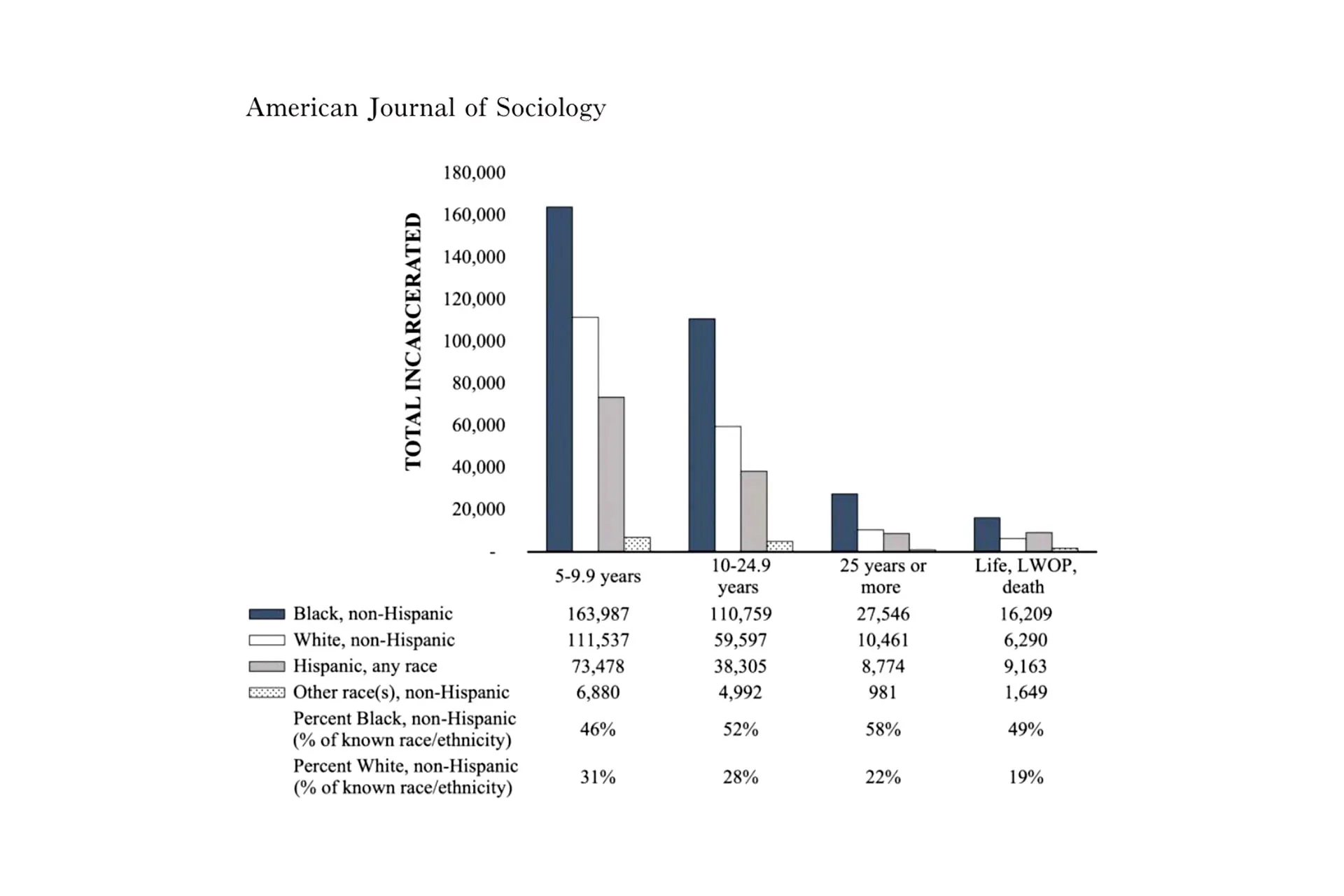
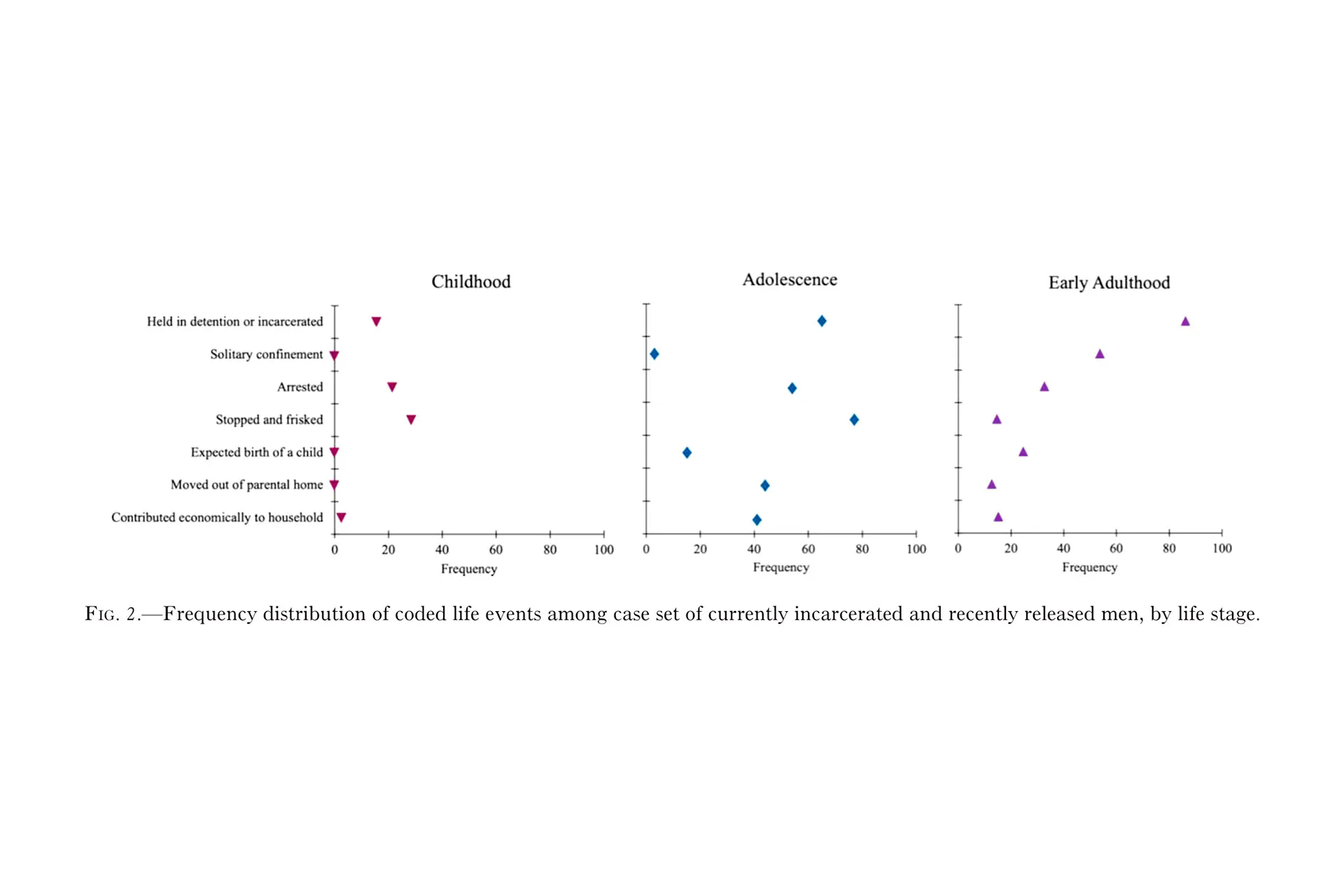
READ MOREImprisonment is recognized as routine in the lives of disadvantaged young men. Scholars center the impact of relatively brief prison experiences on postprison early adulthood, but this approach overlooks the many who are imprisoned for long periods. This study addresses this concern by analyzing interviews with African American and Afro-Latino men who were sentenced as youth and early adults to long prison terms. Prison-like conditions pervaded men’s life histories in ways that shaped how they made sense of incarceration and early adulthood.
Recognition: Winner, 2026 Joan Petersilia Outstanding Article Award for "the peer-reviewed article published in the previous calendar year that makes the most outstanding contribution to research in the field of criminology"; Winner, 2025 Distinguished Article Award, ASA Section on Crime, Law, and Deviance; Runner-Up/Honorable Mention, 2025 Outstanding Scholarly Contribution, ASA Section on Children and Youth
- 001.
Movements Against Mass Incarceration Lab
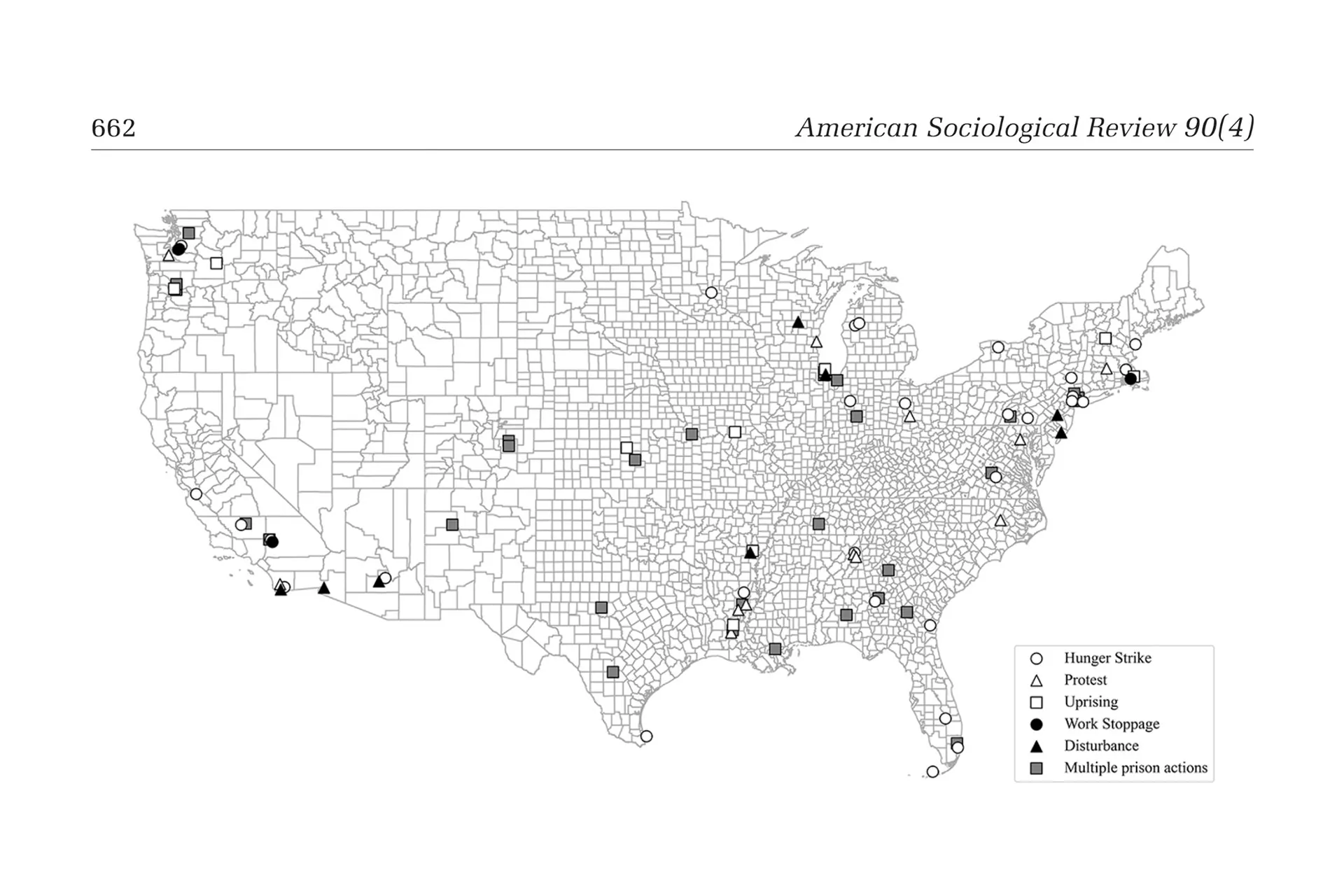
READ MOREThe Movements Against Mass Incarceration Lab is a public sociology and human rights documentation project founded with a $1.7 million grant from the Mellon Foundation.
- 002.
Contesting the State: Embodied Threat and the Emergence of Prisoner Mobilization
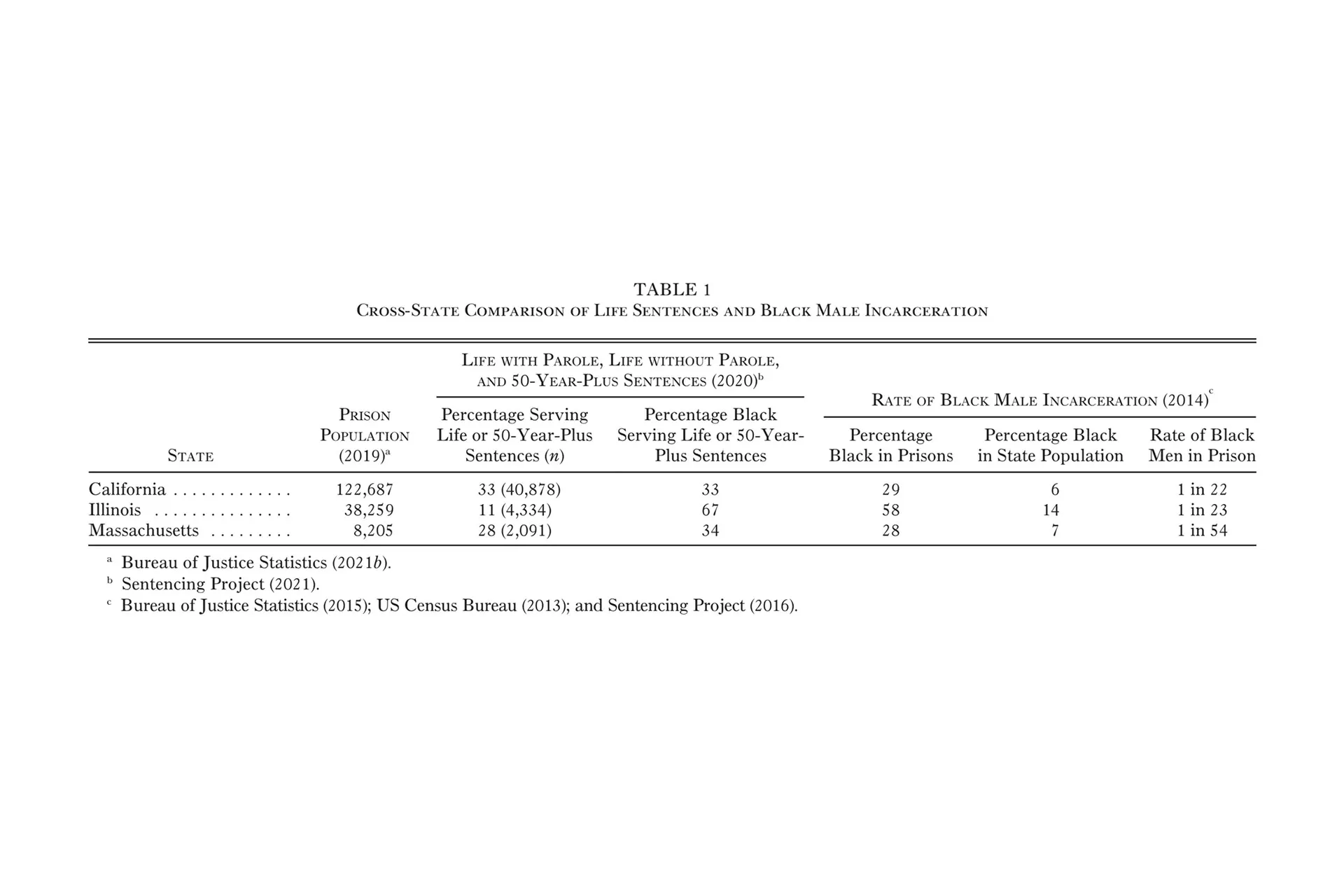
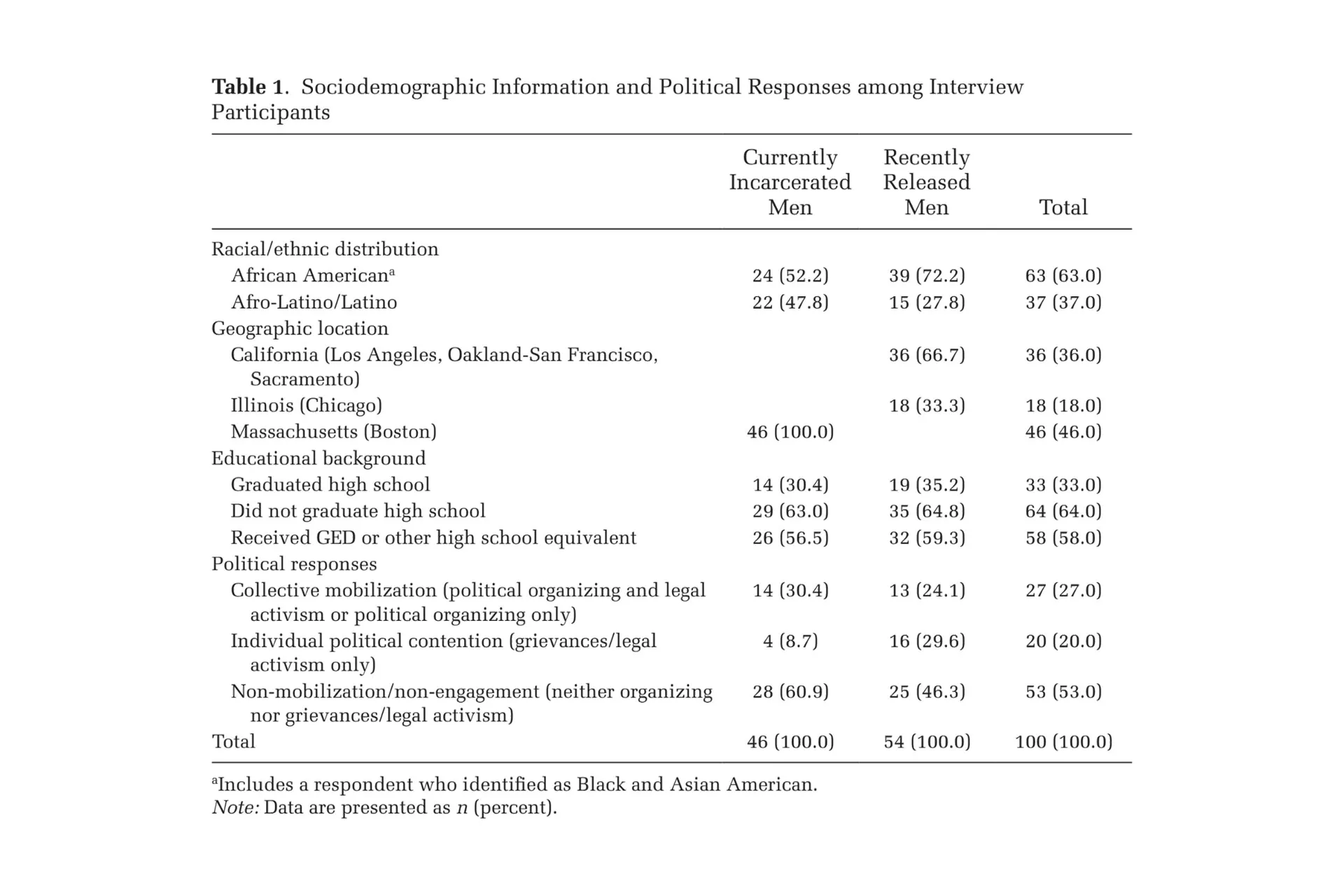
READ MOREPrior studies cast U.S. imprisonment as politically demobilizing. This article complicates that proposition by exploring when, and how, threat under penal confinement leads people to mobilize. Using interviews with currently incarcerated and recently released men across three states, I show that although imprisonment generally fosters political inaction, collective mobilization does arise under certain conditions.
Recognition: Winner, 2026 Distinguished Contribution to Scholarship Article Award, ASA Section on Collective Behavior and Social Movements; Winner, 2026 Distinguished Article Award, ASA Sociology of Law Section; Runner-Up/Honorable Mention, 2026 Distinguished Article Award, ASA Section on Crime, Law, and Deviance; Runner-Up/Honorable Mention, 2026 Distinguished Contribution to Scholarship Article Award, ASA Political Sociology Section