Movements Against Mass Incarceration Lab
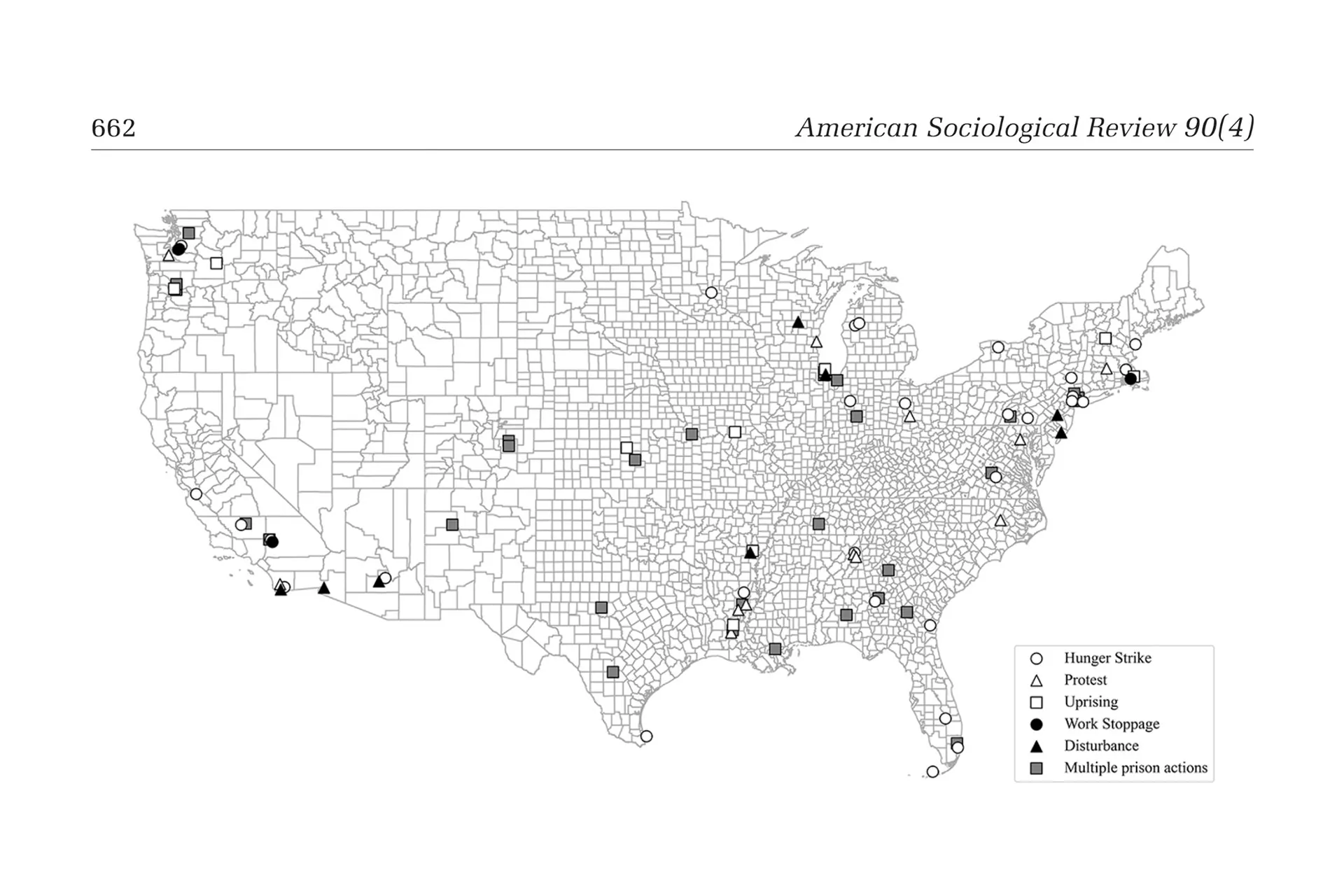
The research David produces is part of a broader scholarly undertaking within the Movements Against Mass Incarceration Lab, a public sociology and human rights documentation project that David founded with a $1.7 million grant from the Mellon Foundation, through its Imagining Freedom Initiative. Based out of the Incite Institute in New York City, the Movements Against Mass Incarceration Lab (Movements Lab for short) uses archival and survey methods to explore the politically contested nature of the prison state.
The Movements Lab’s aims are threefold: 1) to document anti-carceral political mobilization emerging from prisons over the past three decades, 2) to produce cutting-edge research on politics within and around the prison system, and 3) to serve as a hub in which to mentor students and engage the public (social scientists, historians, journalists, and others) in crafting more accurate narratives of mass incarceration in the United States. The Lab focuses especially on understanding the role that Black people in prison have played in politically advocating for reparations as well as for state-level legal and policy changes to the prison system that are considered best practice today.


A critical component of the Movement Lab’s work is partnering with leading social-change organizations (including the Chicago Torture Justice Center and Memorials and the California Coalition for Women Prisoners, among a others) to engage in oral history interviews with over two hundred formerly incarcerated and currently incarcerated activists and organizers. These oral histories form the first archive of its kind that centers the political ideas and movement-building of incarcerated people, and it will be housed at the Schomburg Center for Research in Black Culture as well as at other archival hubs throughout the country, including at the Freedom Archives in California and the Invisible Institute in Chicago.
The Movements Lab also aims to demonstrate that rigorous social science and public engagement can go hand in hand. In addition to the emerging oral history archive, David has a partnership with the Pulitzer Prize-winning journalist organization, The Marshall Project, to analyze large-scale survey data on the political attitudes, racial politics, political participation, and collective action of incarcerated people in the United States. In the summer of 2024, over 29,000 people in prisons and 11,000 people in jails were surveyed.



- 000.
Carceral Passages: Coming of Age in Prison America
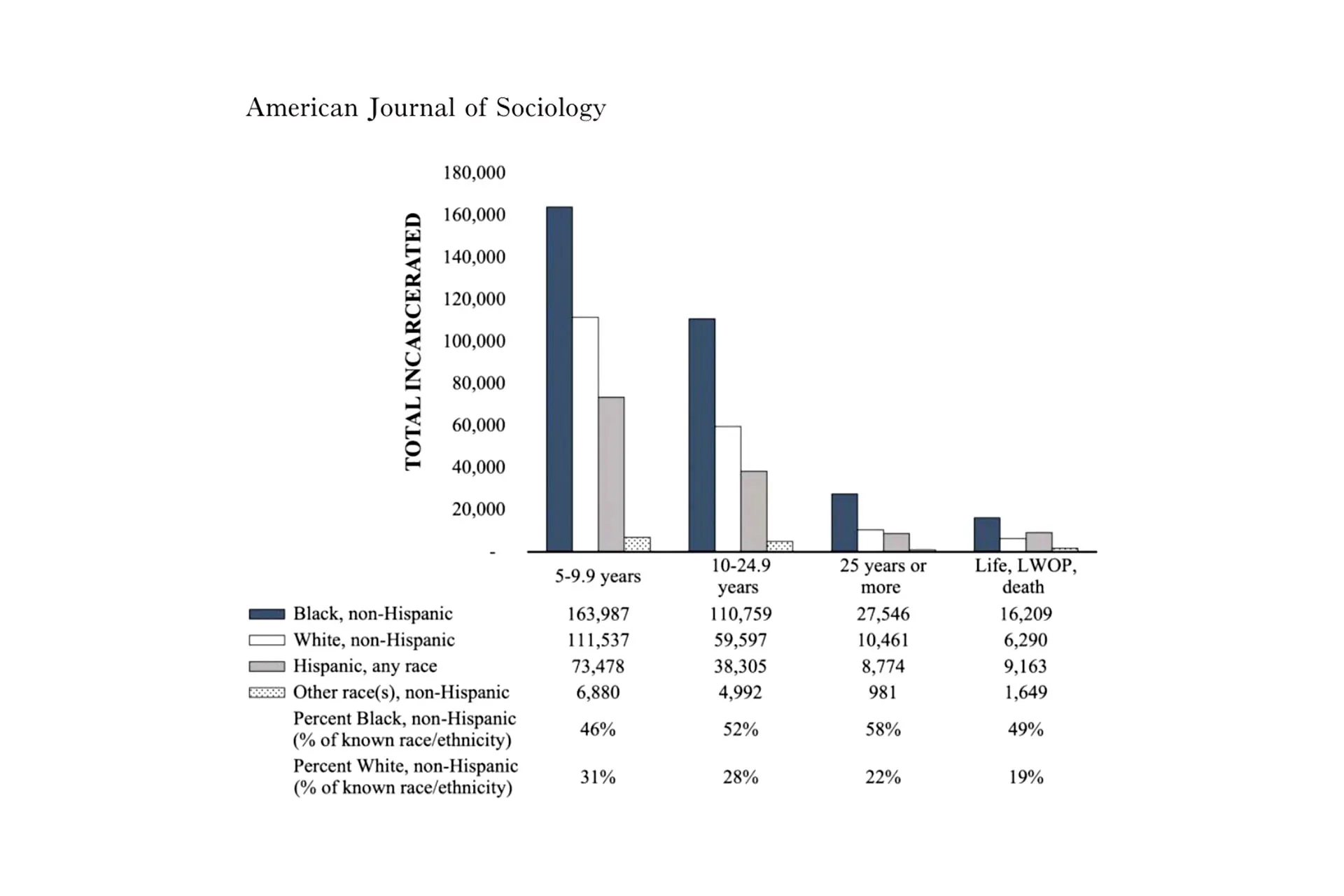
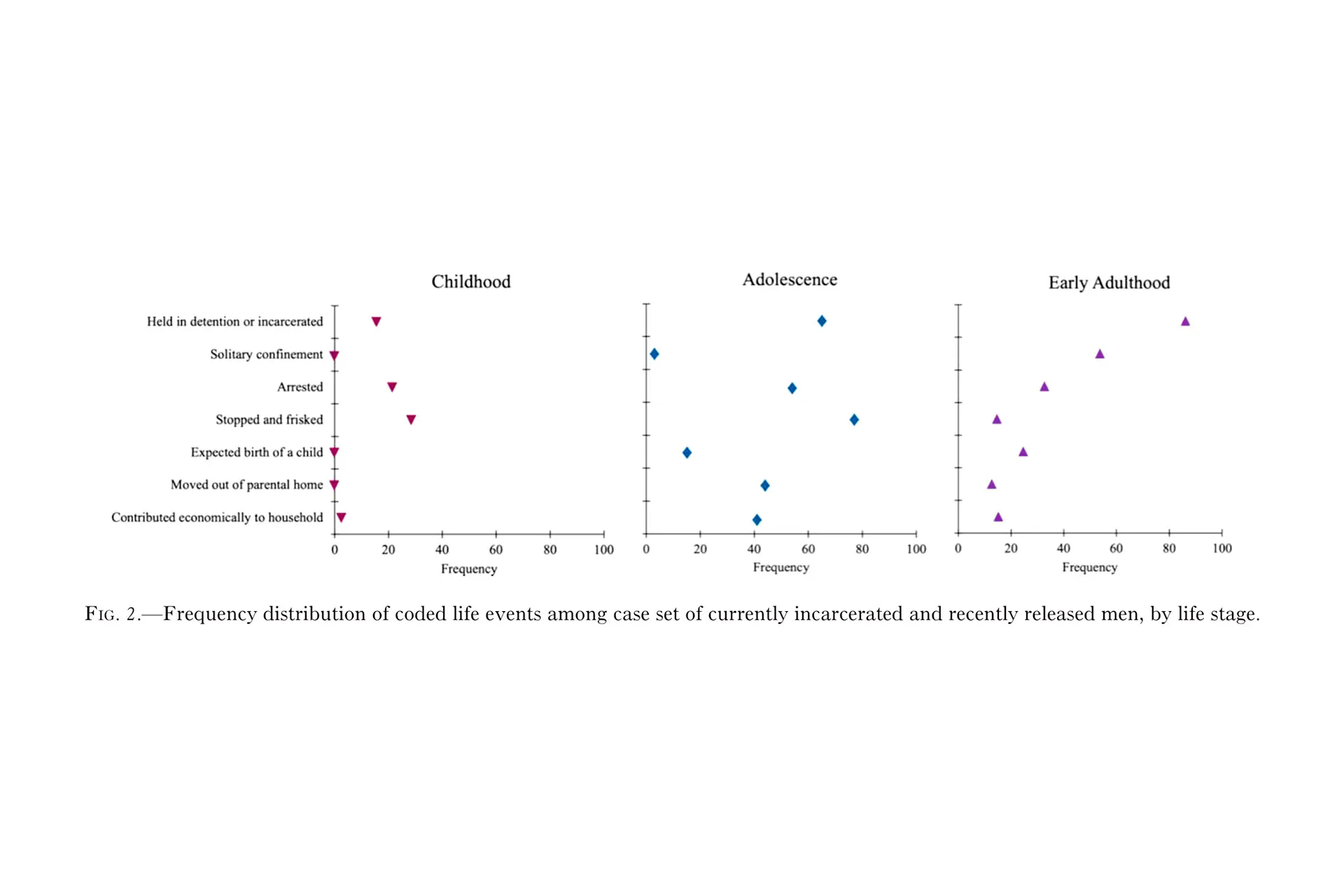
READ MOREImprisonment is recognized as routine in the lives of disadvantaged young men. Scholars center the impact of relatively brief prison experiences on postprison early adulthood, but this approach overlooks the many who are imprisoned for long periods. This study addresses this concern by analyzing interviews with African American and Afro-Latino men who were sentenced as youth and early adults to long prison terms. Prison-like conditions pervaded men’s life histories in ways that shaped how they made sense of incarceration and early adulthood.
Recognition: Winner, 2026 Joan Petersilia Outstanding Article Award for "the peer-reviewed article published in the previous calendar year that makes the most outstanding contribution to research in the field of criminology"; Winner, 2025 Distinguished Article Award, ASA Section on Crime, Law, and Deviance; Runner-Up/Honorable Mention, 2025 Outstanding Scholarly Contribution, ASA Section on Children and Youth
- 001.
Movements Against Mass Incarceration Lab
READ MOREThe Movements Against Mass Incarceration Lab is a public sociology and human rights documentation project founded with a $1.7 million grant from the Mellon Foundation.
- 002.
Contesting the State: Embodied Threat and the Emergence of Prisoner Mobilization
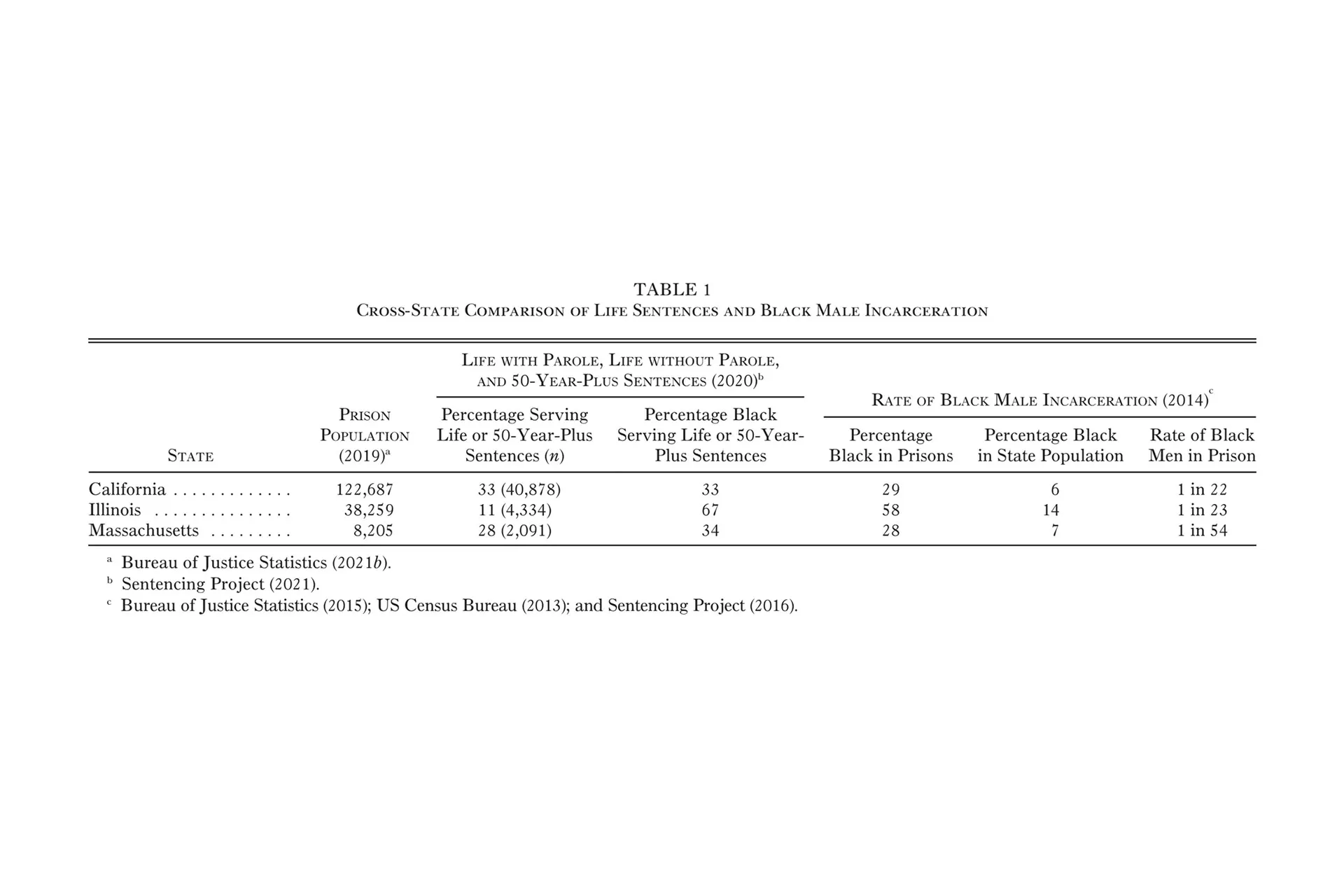
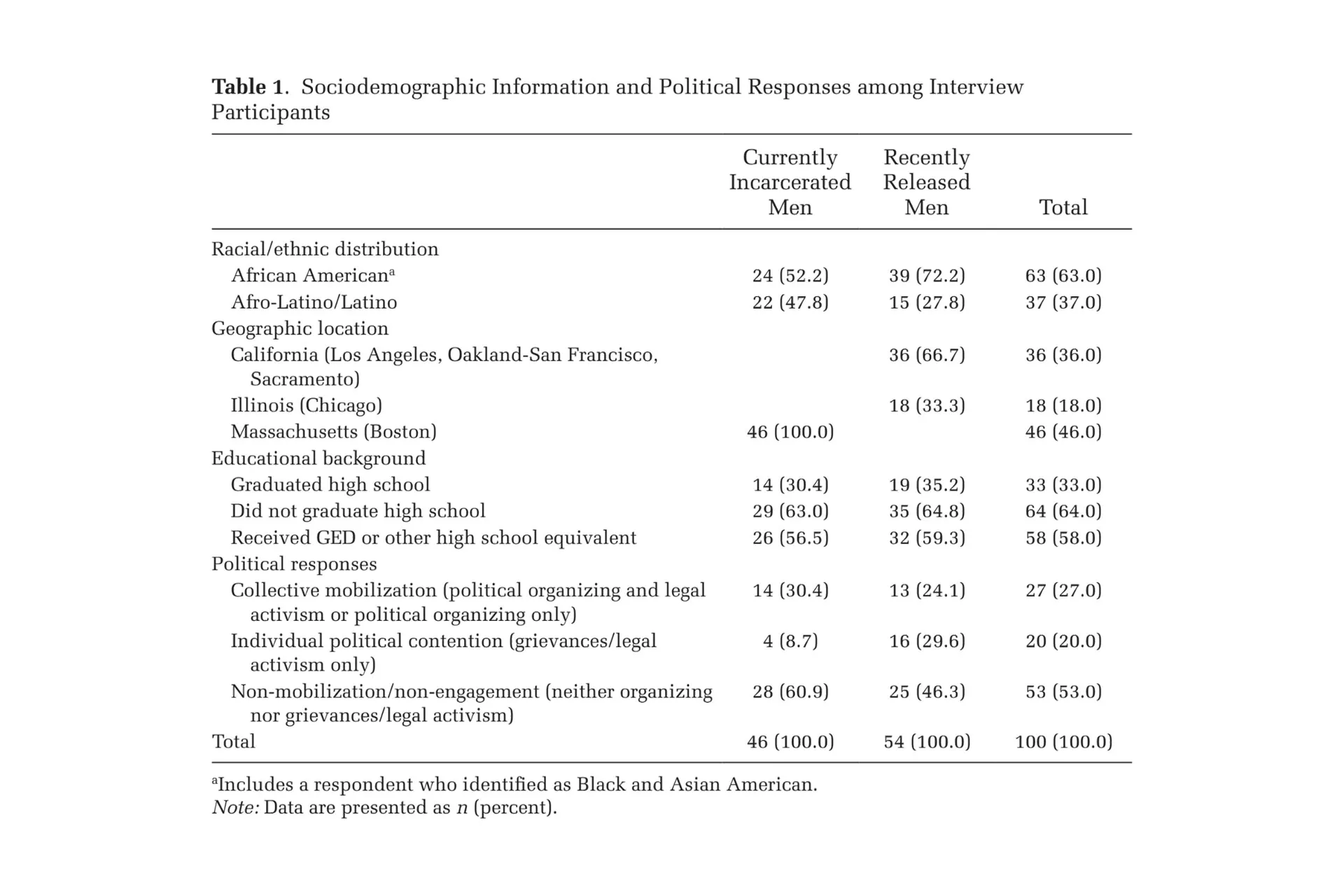
READ MOREPrior studies cast U.S. imprisonment as politically demobilizing. This article complicates that proposition by exploring when, and how, threat under penal confinement leads people to mobilize. Using interviews with currently incarcerated and recently released men across three states, I show that although imprisonment generally fosters political inaction, collective mobilization does arise under certain conditions.
Recognition: Winner, 2026 Distinguished Contribution to Scholarship Article Award, ASA Section on Collective Behavior and Social Movements; Winner, 2026 Distinguished Article Award, ASA Sociology of Law Section; Runner-Up/Honorable Mention, 2026 Distinguished Article Award, ASA Section on Crime, Law, and Deviance; Runner-Up/Honorable Mention, 2026 Distinguished Contribution to Scholarship Article Award, ASA Political Sociology Section