Residential mobility and persistently depressed voting among disadvantaged adults in a large housing experiment
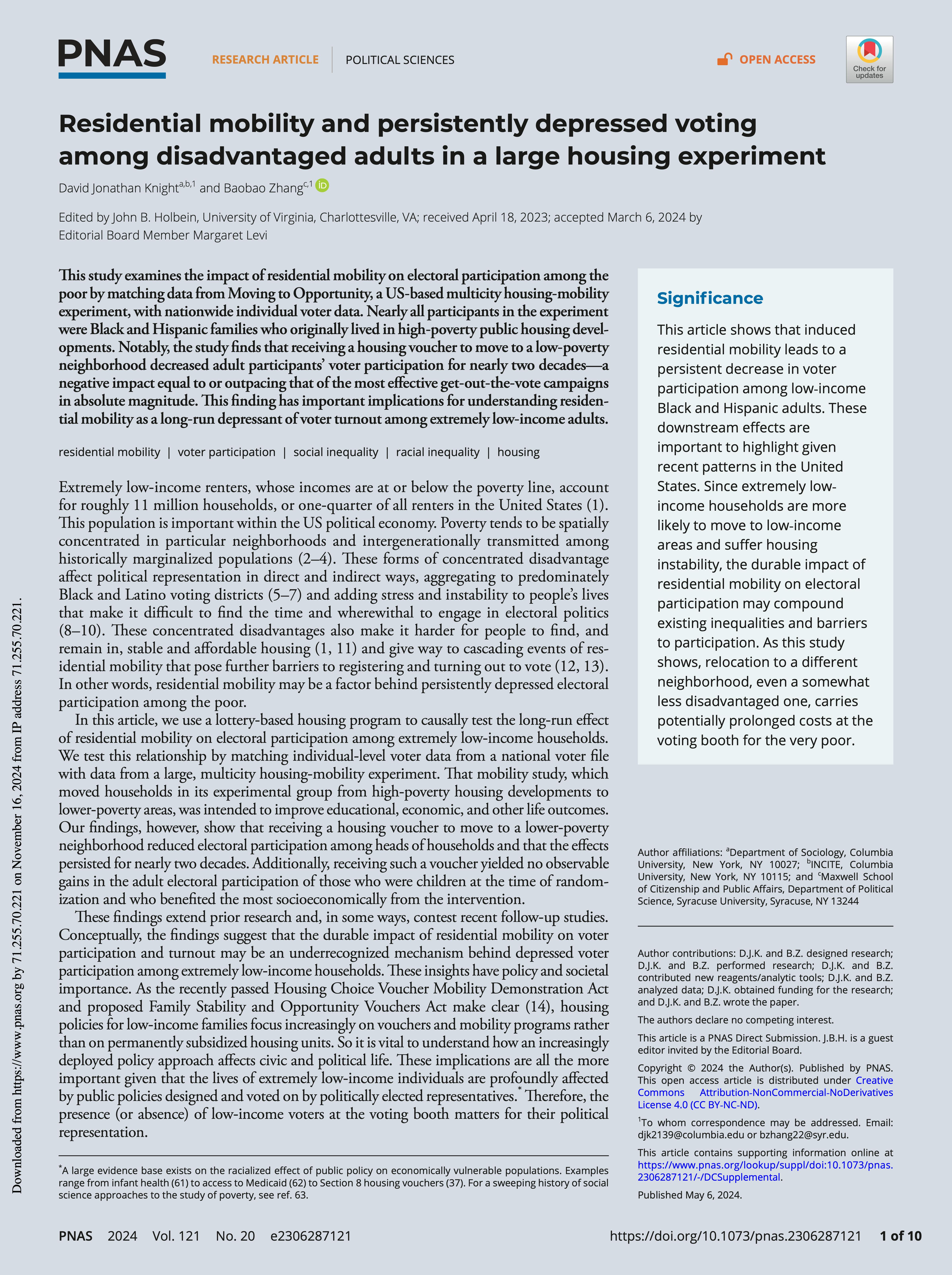
Knight, David Jonathan, and Baobao Zhang. “Residential mobility and persistently depressed voting among disadvantaged adults in a large housing experiment.” Proceedings of the National Academy of Sciences May 6, 2024. 121 (20) e2306287121. https://www.pnas.org/doi/10.1073/pnas.2306287121
Abstract: This study examines the impact of residential mobility on electoral participation among the poor by matching data from Moving to Opportunity, a US-based multicity housing-mobility experiment, with nationwide individual voter data. Nearly all participants in the experiment were Black and Hispanic families who originally lived in high-poverty public housing developments. Notably, the study finds that receiving a housing voucher to move to a low-poverty neighborhood decreased adult participants’ voter participation for nearly two decades—a negative impact equal to or outpacing that of the most effective get-out-the-vote campaigns in absolute magnitude. This finding has important implications for understanding residential mobility as a long-run depressant of voter turnout among extremely low-income adults.
- 000.
Carceral Passages: Coming of Age in Prison America
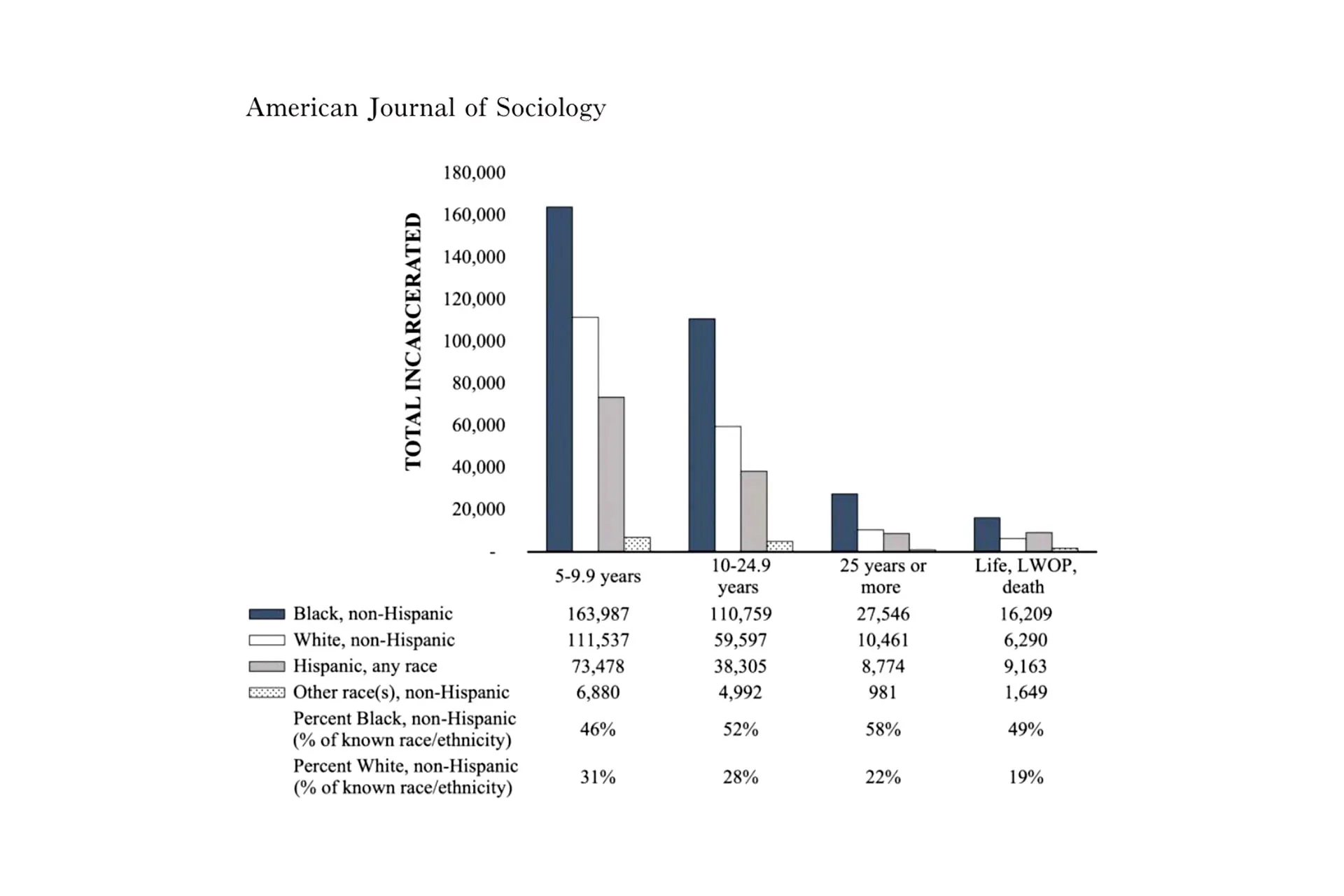
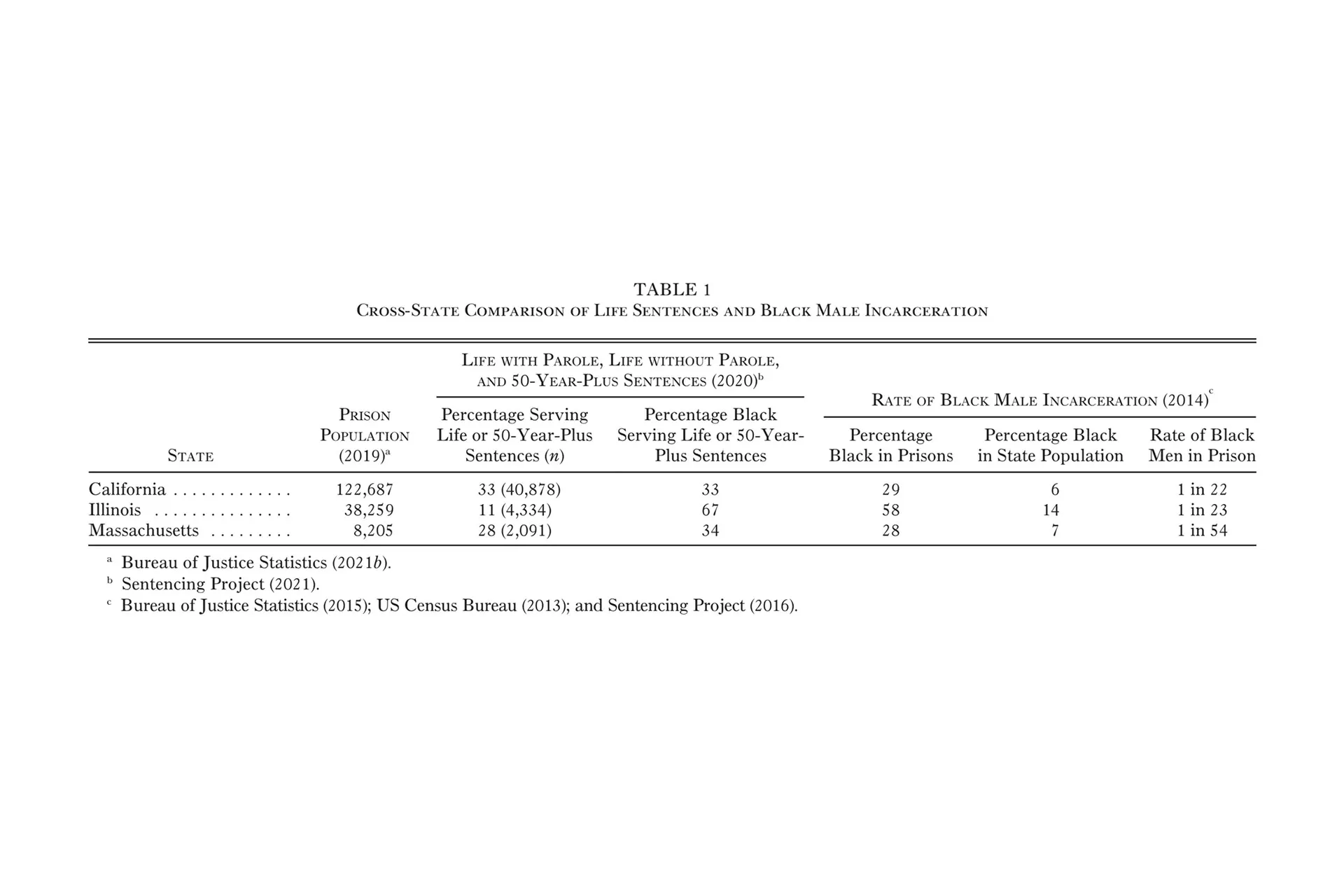
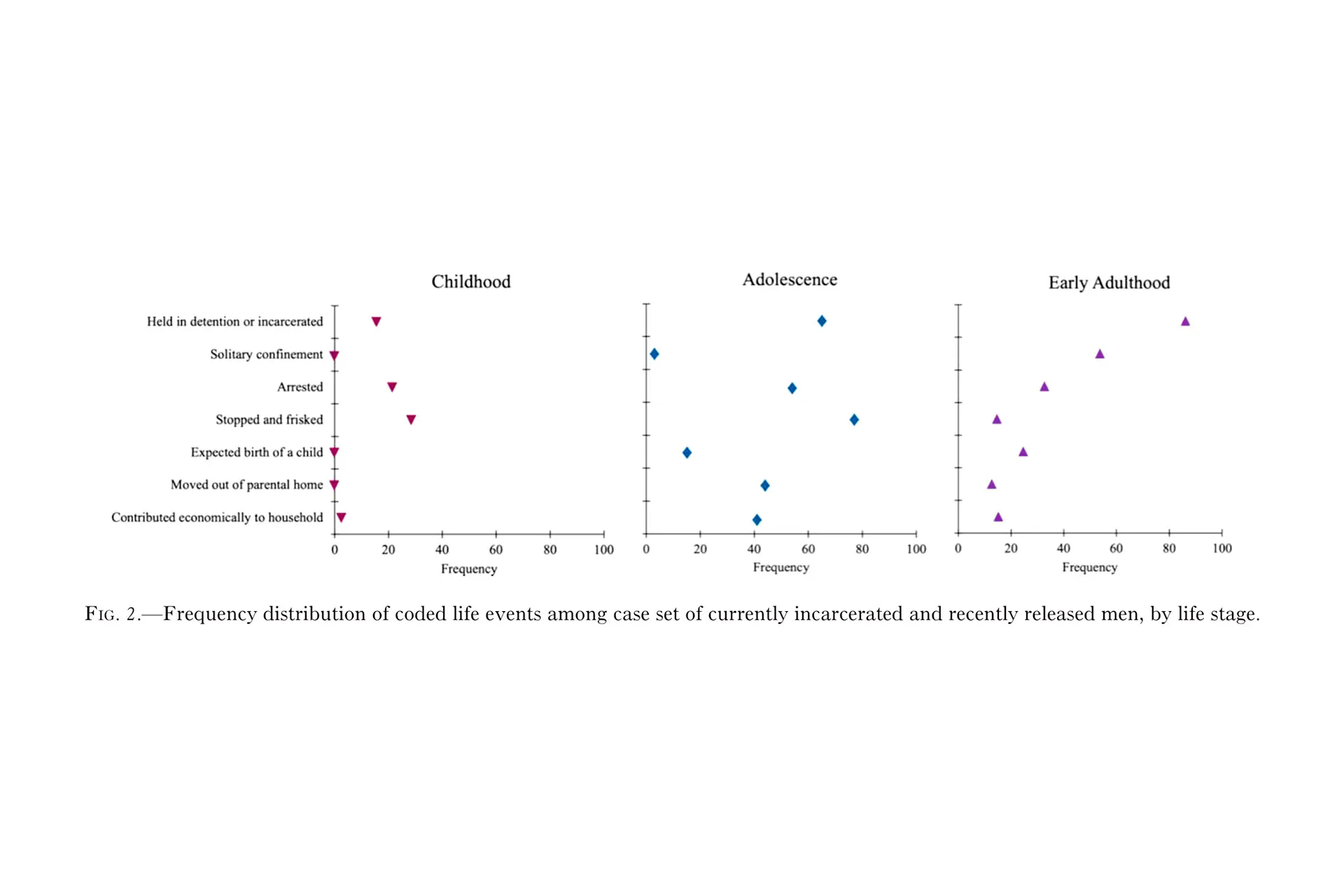
READ MOREImprisonment is recognized as routine in the lives of disadvantaged young men. Scholars center the impact of relatively brief prison experiences on postprison early adulthood, but this approach overlooks the many who are imprisoned for long periods. This study addresses this concern by analyzing interviews with African American and Afro-Latino men who were sentenced as youth and early adults to long prison terms. Prison-like conditions pervaded men’s life histories in ways that shaped how they made sense of incarceration and early adulthood.
Recognition: Winner, 2026 Joan Petersilia Outstanding Article Award for "the peer-reviewed article published in the previous calendar year that makes the most outstanding contribution to research in the field of criminology"; Winner, 2025 Distinguished Article Award, ASA Section on Crime, Law, and Deviance; Runner-Up/Honorable Mention, 2025 Outstanding Scholarly Contribution, ASA Section on Children and Youth
- 001.
Movements Against Mass Incarceration Lab
READ MOREThe Movements Against Mass Incarceration Lab is a public sociology and human rights documentation project founded with a $1.7 million grant from the Mellon Foundation.
- 002.
Contesting the State: Embodied Threat and the Emergence of Prisoner Mobilization
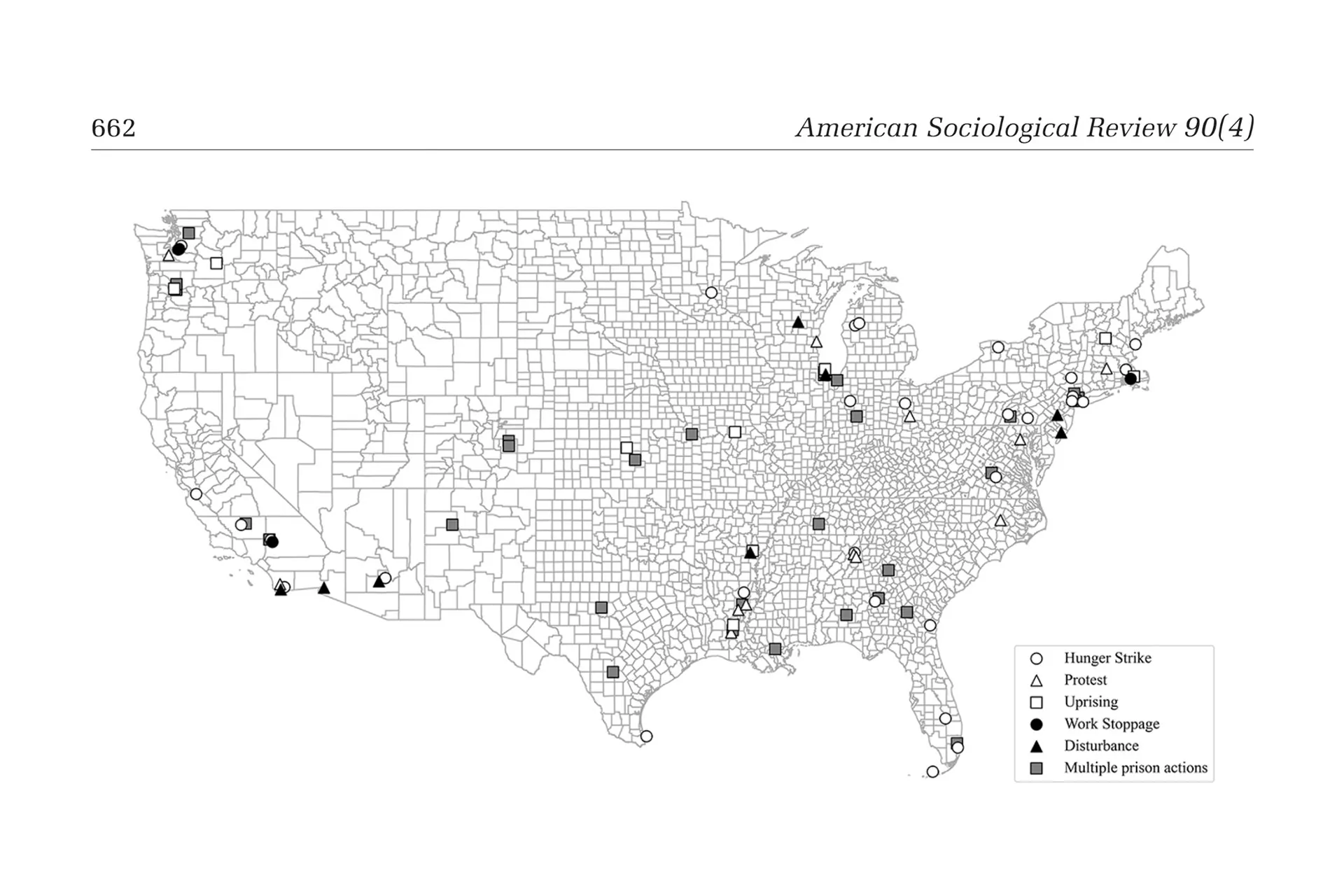
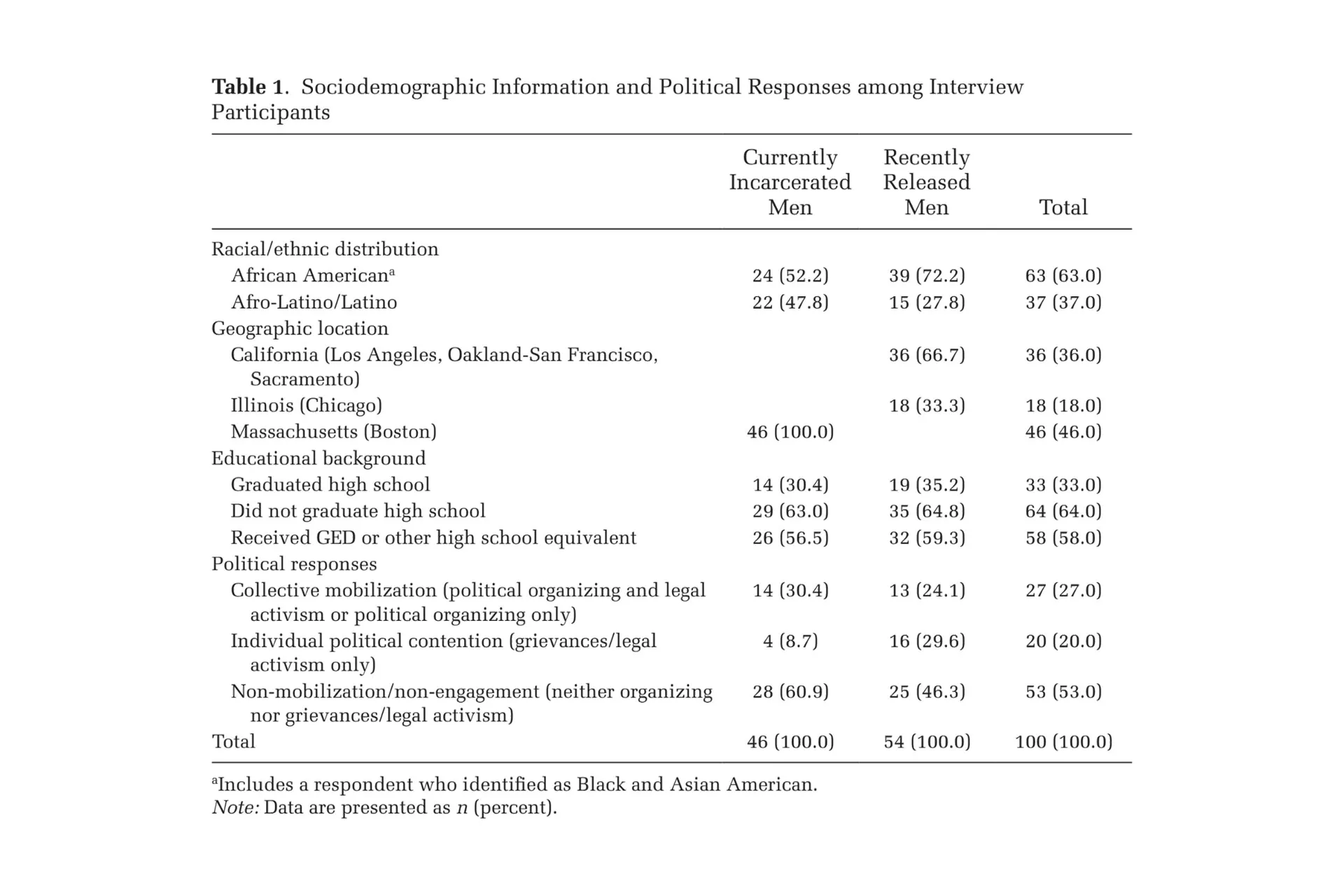
READ MOREPrior studies cast U.S. imprisonment as politically demobilizing. This article complicates that proposition by exploring when, and how, threat under penal confinement leads people to mobilize. Using interviews with currently incarcerated and recently released men across three states, I show that although imprisonment generally fosters political inaction, collective mobilization does arise under certain conditions.
Recognition: Winner, 2026 Distinguished Contribution to Scholarship Article Award, ASA Section on Collective Behavior and Social Movements; Winner, 2026 Distinguished Article Award, ASA Sociology of Law Section; Runner-Up/Honorable Mention, 2026 Distinguished Article Award, ASA Section on Crime, Law, and Deviance; Runner-Up/Honorable Mention, 2026 Distinguished Contribution to Scholarship Article Award, ASA Political Sociology Section