Black Political Mobilization and the US Carceral State
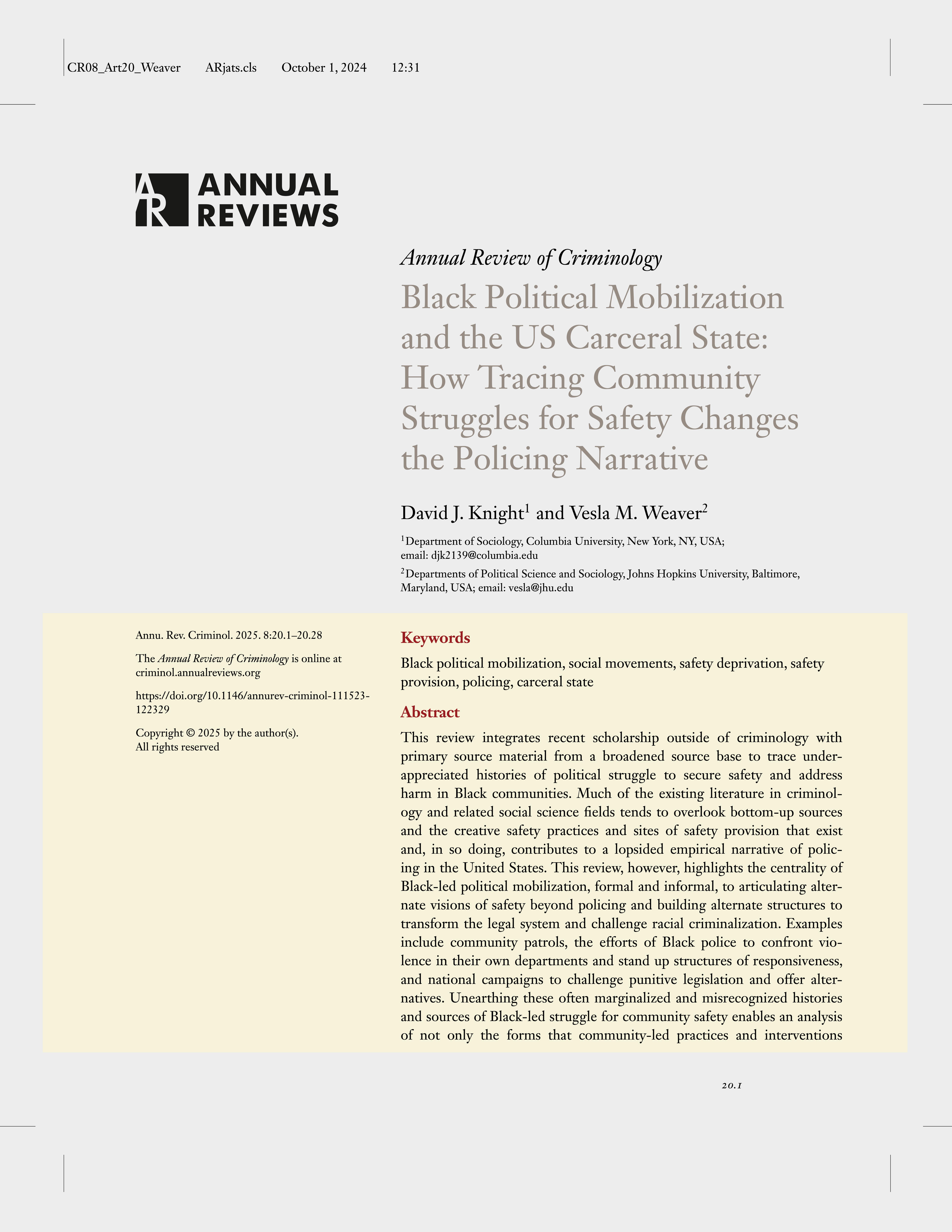
Knight, David Jonathan, and Vesla Weaver. “Black Political Mobilization and the U.S. Carceral State: How Tracing Community Struggles for Safety Transforms the Policing Narrative.” Annual Review of Criminology. Vol. 8. https://doi.org/10.1146/annurev-criminol-111523-122329
Abstract: This review integrates recent scholarship outside of criminology with primary source material from a broadened source base to trace underappreciated histories of political struggle to secure safety and address harm in Black communities. Much of the existing literature in criminology and related social science fields tends to overlook bottom-up sources and the creative safety practices and sites of safety provision that exist beyond the state, and in so doing, contribute to a lopsided empirical narrative of policing in the United States. This review, however, highlights the centrality of Black-led political mobilization, formal and informal, to articulating alternate visions of safety beyond policing and to building alternate structures to transform the legal system and challenge racial criminalization. Examples include community patrols, the efforts of Black police to confront violence in their own departments, and national campaigns to challenge punitive legislation. Unearthing these often marginalized and misrecognized histories and sources of Black-led struggle for community safety enables an analysis of not only the forms that community-led practices and interventions can take but also the ongoing state-produced conditions—referred to in this review as safety deprivation—that give rise to them. More broadly, this review uses these histories as a lens through which to consider how empirical narratives of policing and safety are transformed when community derived, bottom-up knowledge sources are accounted for both substantively and methodologically and offers the field a guide of available databases.
Link: https://www.annualreviews.org/content/journals/10.1146/annurev-criminol-111523-122329
- 000.
Carceral Passages: Coming of Age in Prison America
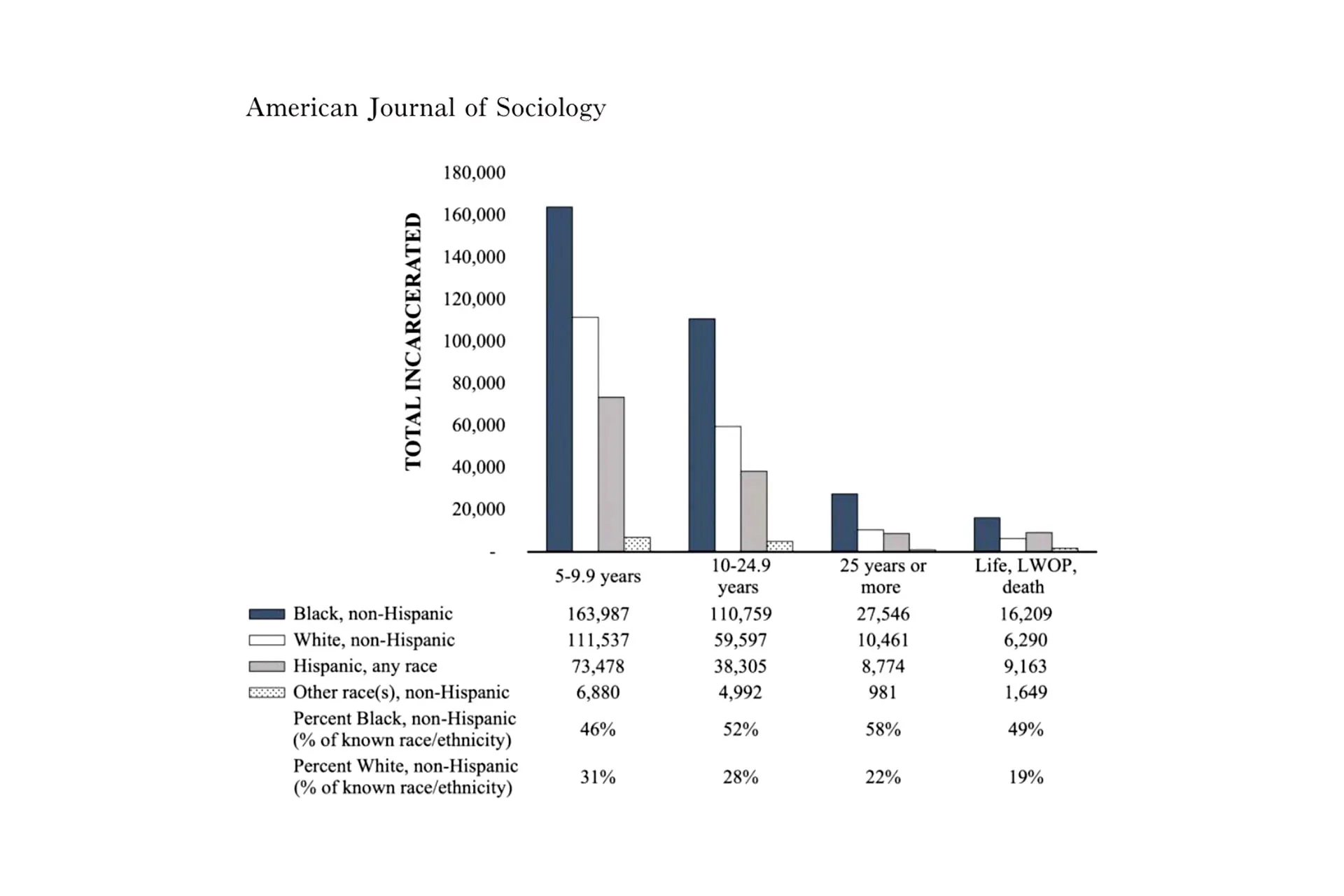
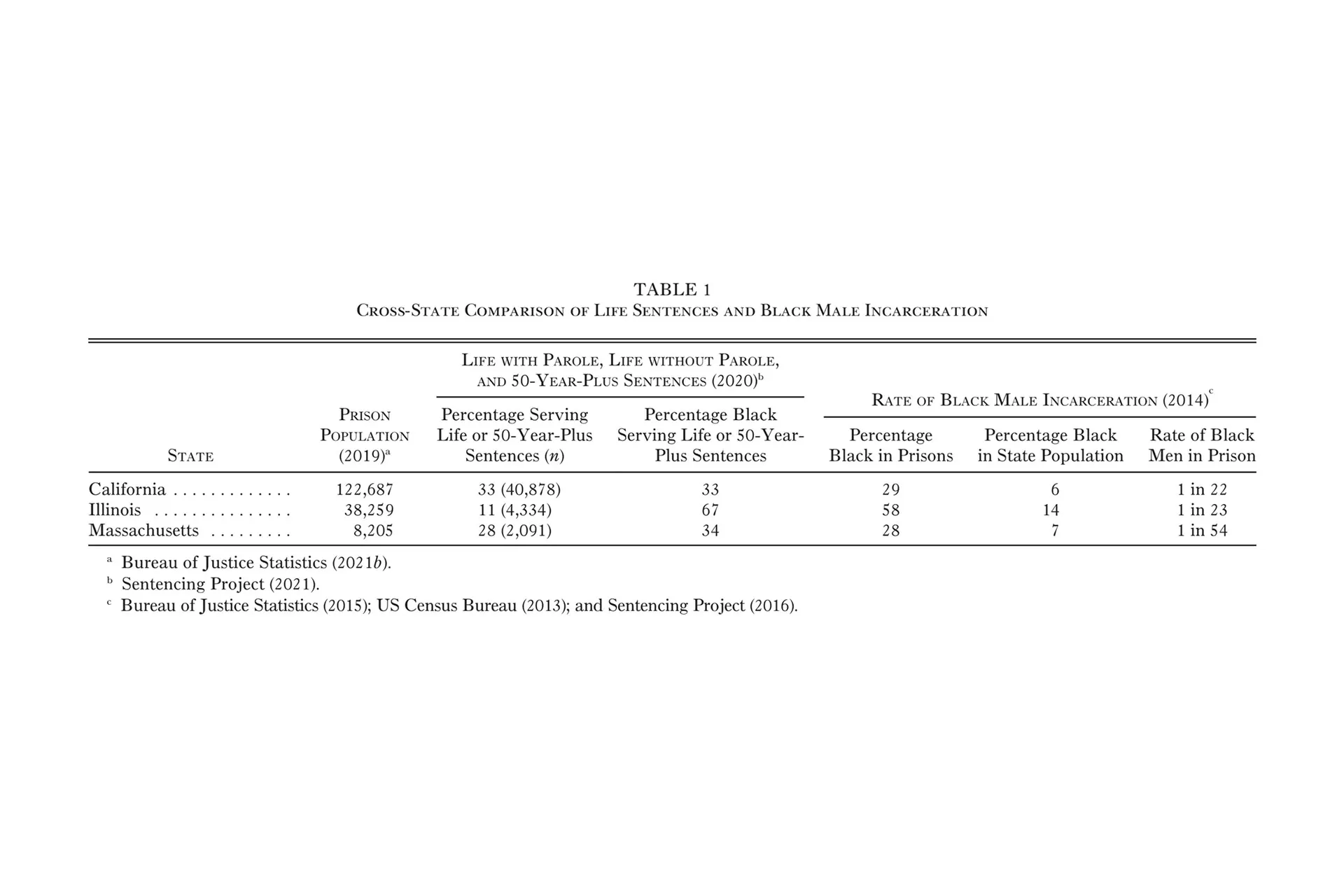
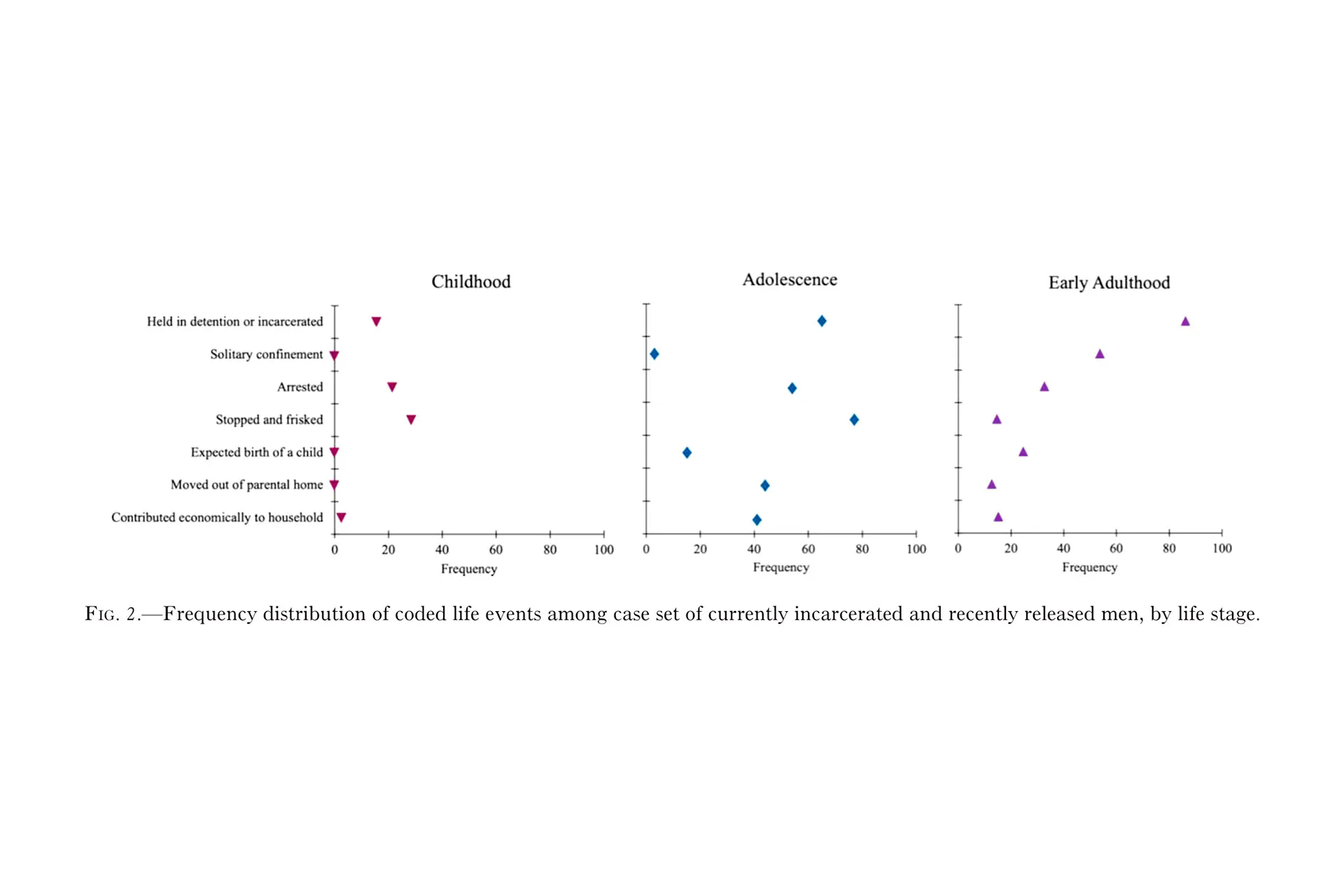
READ MOREImprisonment is recognized as routine in the lives of disadvantaged young men. Scholars center the impact of relatively brief prison experiences on postprison early adulthood, but this approach overlooks the many who are imprisoned for long periods. This study addresses this concern by analyzing interviews with African American and Afro-Latino men who were sentenced as youth and early adults to long prison terms. Prison-like conditions pervaded men’s life histories in ways that shaped how they made sense of incarceration and early adulthood.
Recognition: Winner, 2026 Joan Petersilia Outstanding Article Award for "the peer-reviewed article published in the previous calendar year that makes the most outstanding contribution to research in the field of criminology"; Winner, 2025 Distinguished Article Award, ASA Section on Crime, Law, and Deviance; Runner-Up/Honorable Mention, 2025 Outstanding Scholarly Contribution, ASA Section on Children and Youth
- 001.
Movements Against Mass Incarceration Lab
READ MOREThe Movements Against Mass Incarceration Lab is a public sociology and human rights documentation project founded with a $1.7 million grant from the Mellon Foundation.
- 002.
Contesting the State: Embodied Threat and the Emergence of Prisoner Mobilization
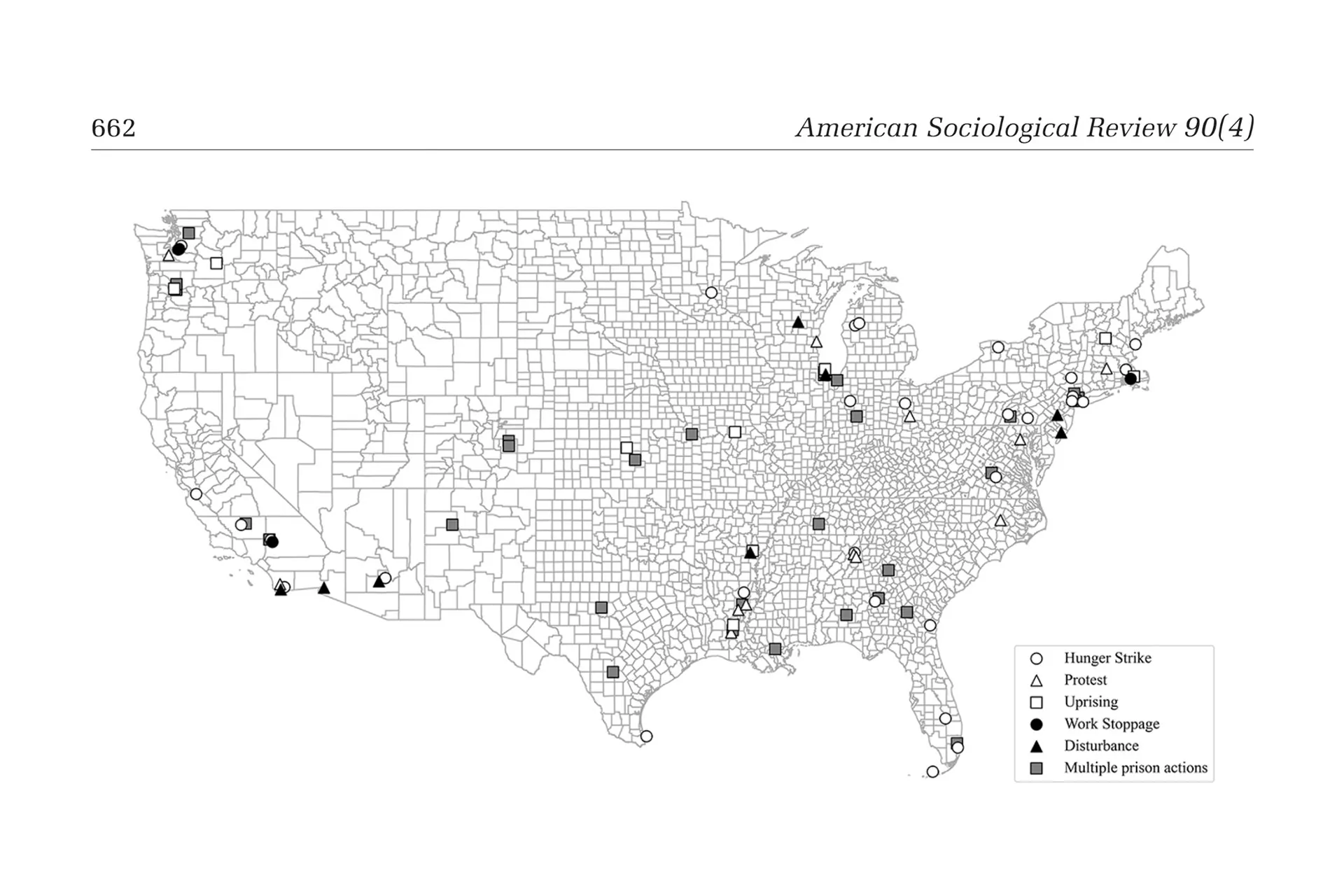
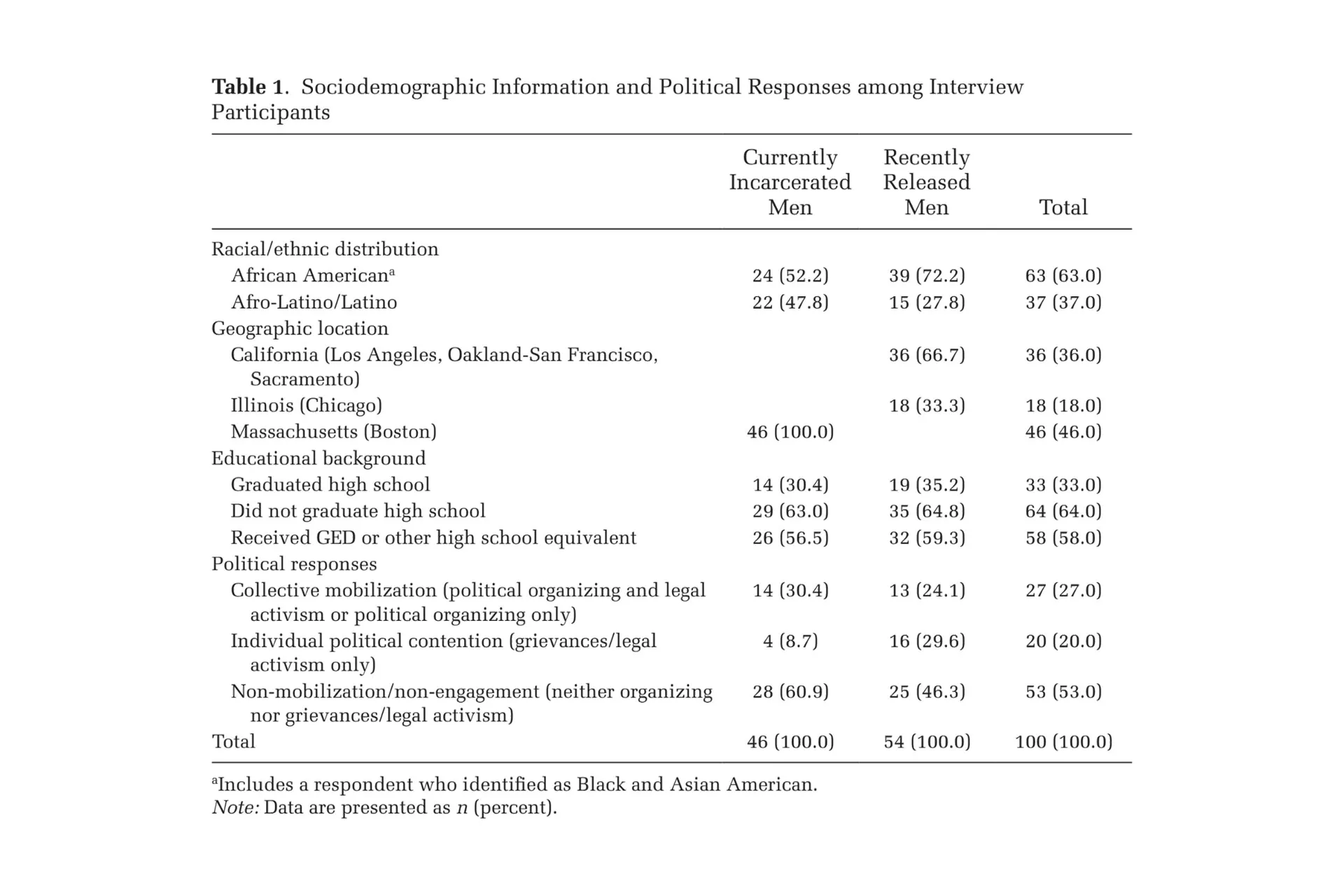
READ MOREPrior studies cast U.S. imprisonment as politically demobilizing. This article complicates that proposition by exploring when, and how, threat under penal confinement leads people to mobilize. Using interviews with currently incarcerated and recently released men across three states, I show that although imprisonment generally fosters political inaction, collective mobilization does arise under certain conditions.
Recognition: Winner, 2026 Distinguished Contribution to Scholarship Article Award, ASA Section on Collective Behavior and Social Movements; Winner, 2026 Distinguished Article Award, ASA Sociology of Law Section; Runner-Up/Honorable Mention, 2026 Distinguished Article Award, ASA Section on Crime, Law, and Deviance; Runner-Up/Honorable Mention, 2026 Distinguished Contribution to Scholarship Article Award, ASA Political Sociology Section