Contesting the State: Embodied Threat and the Emergence of Prisoner Mobilization
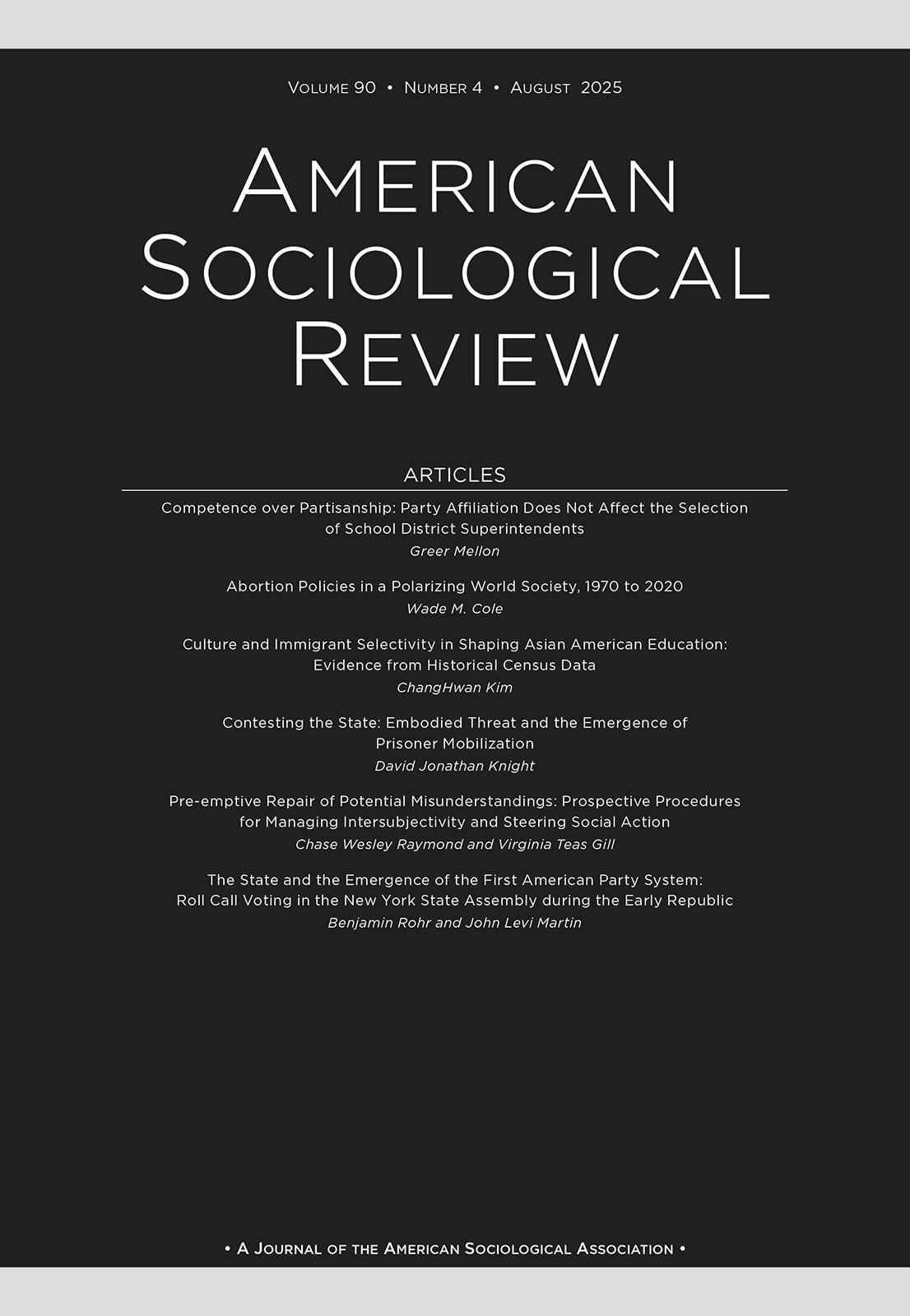
Knight, David Jonathan. “Contesting the State: Embodied Threat and the Emergence of Prisoner Mobilization.” American Sociological Review 90, no 4 (August 2025), pp. 658-689. https://doi.org/10.1177/00031224251340401
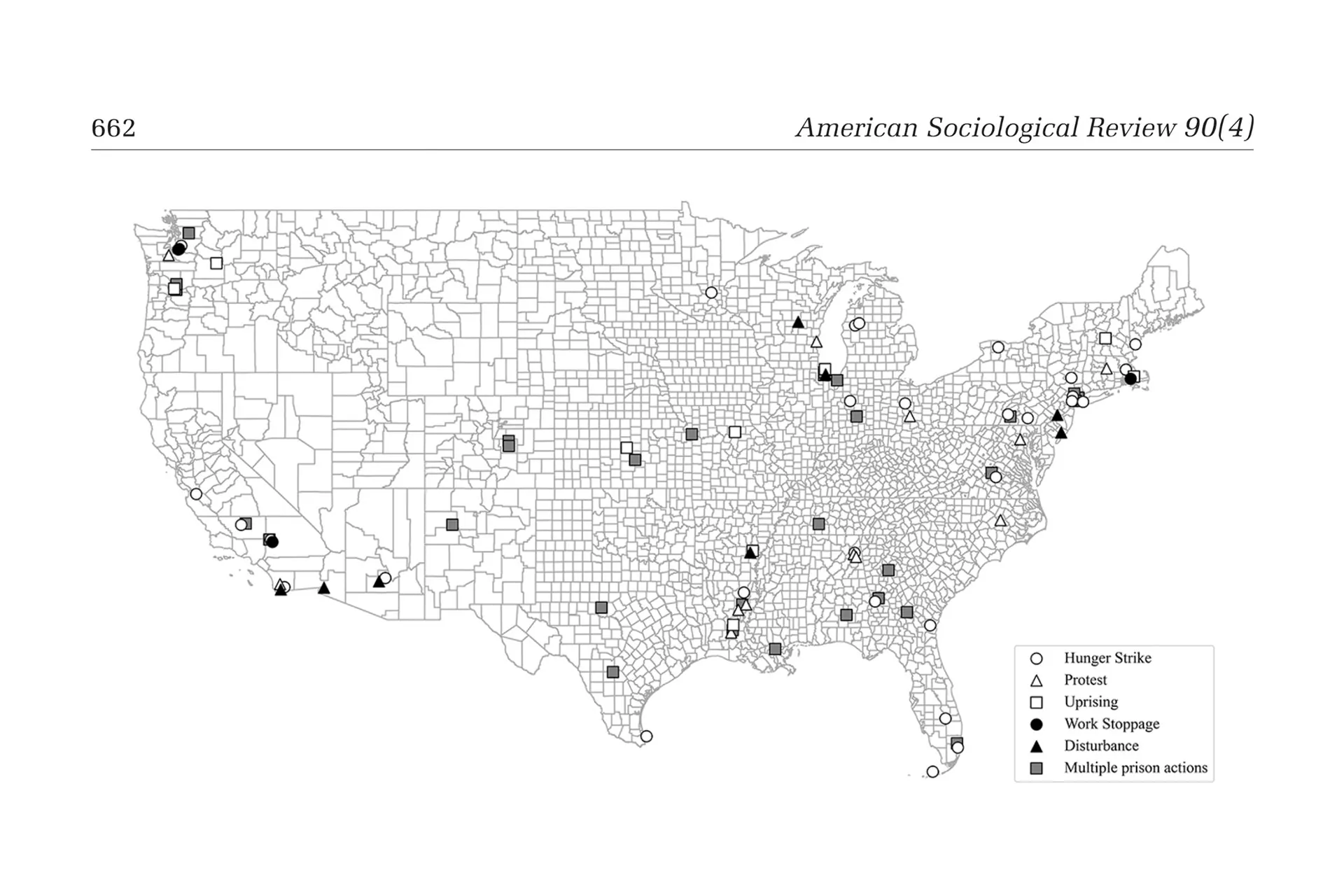
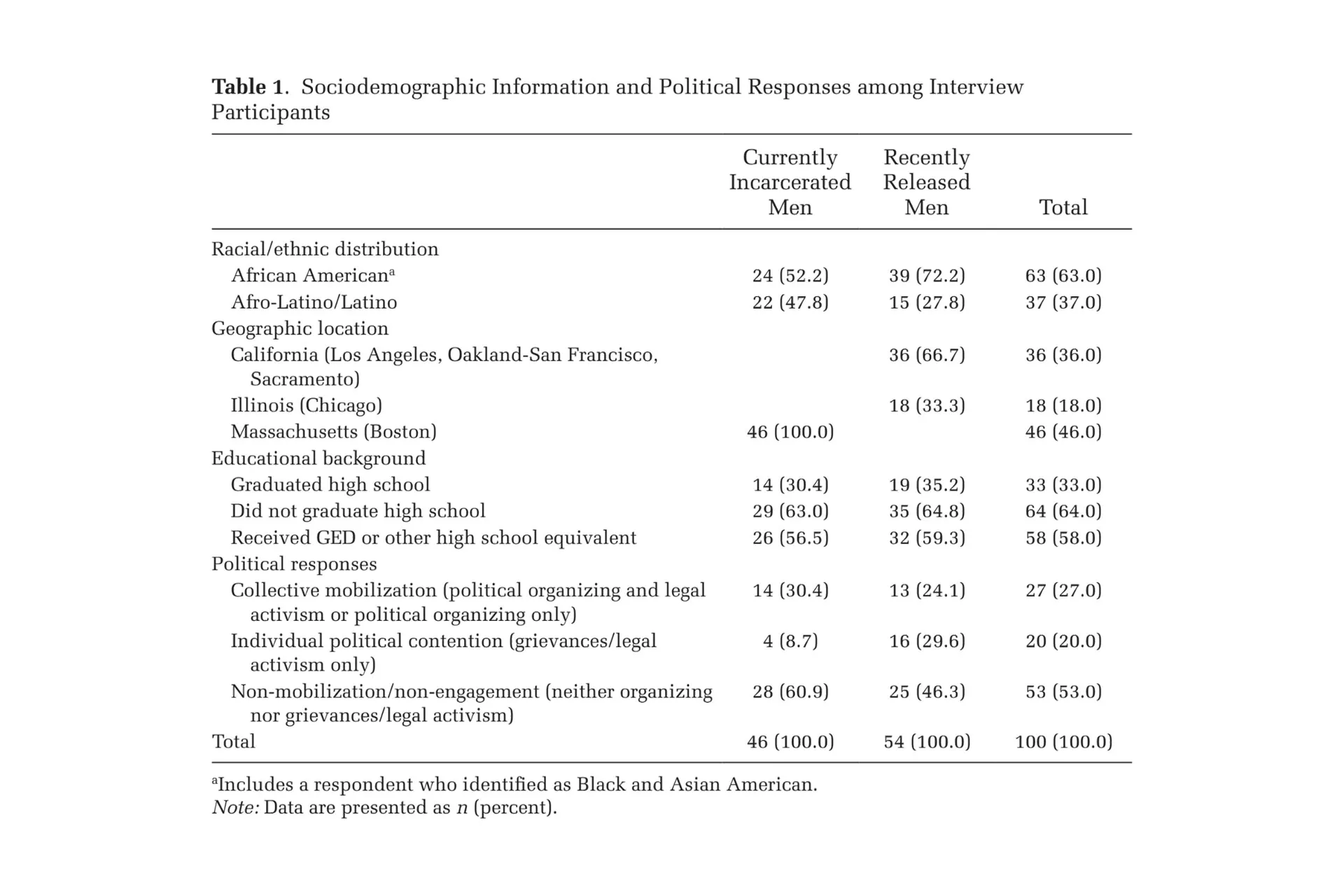
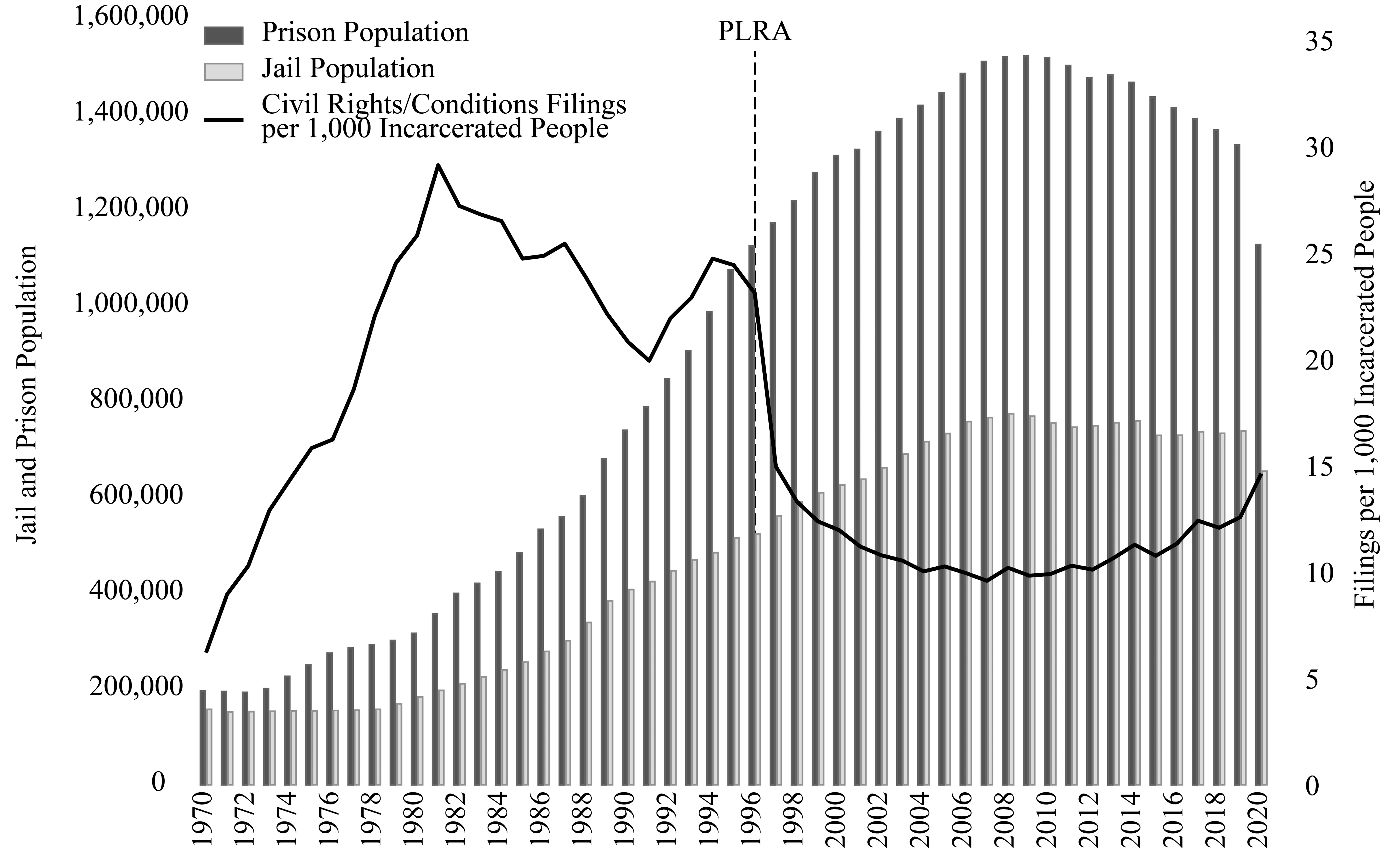
Abstract: Prior studies cast U.S. imprisonment as politically demobilizing. This article complicates that proposition by exploring when, and how, threat under penal confinement leads people to mobilize. Using interviews with currently incarcerated and recently released men across three states, I show that although imprisonment generally fosters political inaction, collective mobilization does arise under certain conditions. First, people in prison mobilize in response to embodied threats—fundamental threats eliciting visceral reactions that signal future harm (i.e., premature death or permanent incapacitation). Second, to collectively mobilize, a subpopulation of similarly threatened prisoners must be present and see the threats as a shared problem. Collective prisoner mobilization is more likely when both conditions are present; mobilization is unlikely when neither condition is present; and individual political contention is more likely when conditions are partially present. This range of political responses among incarcerated people is more dynamic than previously reported. Imprisonment has selective political effects, mobilizing the most repressed individuals within prison to devise new strategies to contest their repression.
Recognition: Winner, 2026 Distinguished Contribution to Scholarship Article Award, ASA Section on Collective Behavior and Social Movements; Winner, 2026 Distinguished Article Award, ASA Sociology of Law Section; Runner-Up/Honorable Mention, 2026 Distinguished Article Award, ASA Section on Crime, Law, and Deviance; Runner-Up/Honorable Mention, 2026 Distinguished Contribution to Scholarship Article Award, ASA Political Sociology Section
Link: https://journals.sagepub.com/doi/10.1177/00031224251340401
- 000.
Carceral Passages: Coming of Age in Prison America
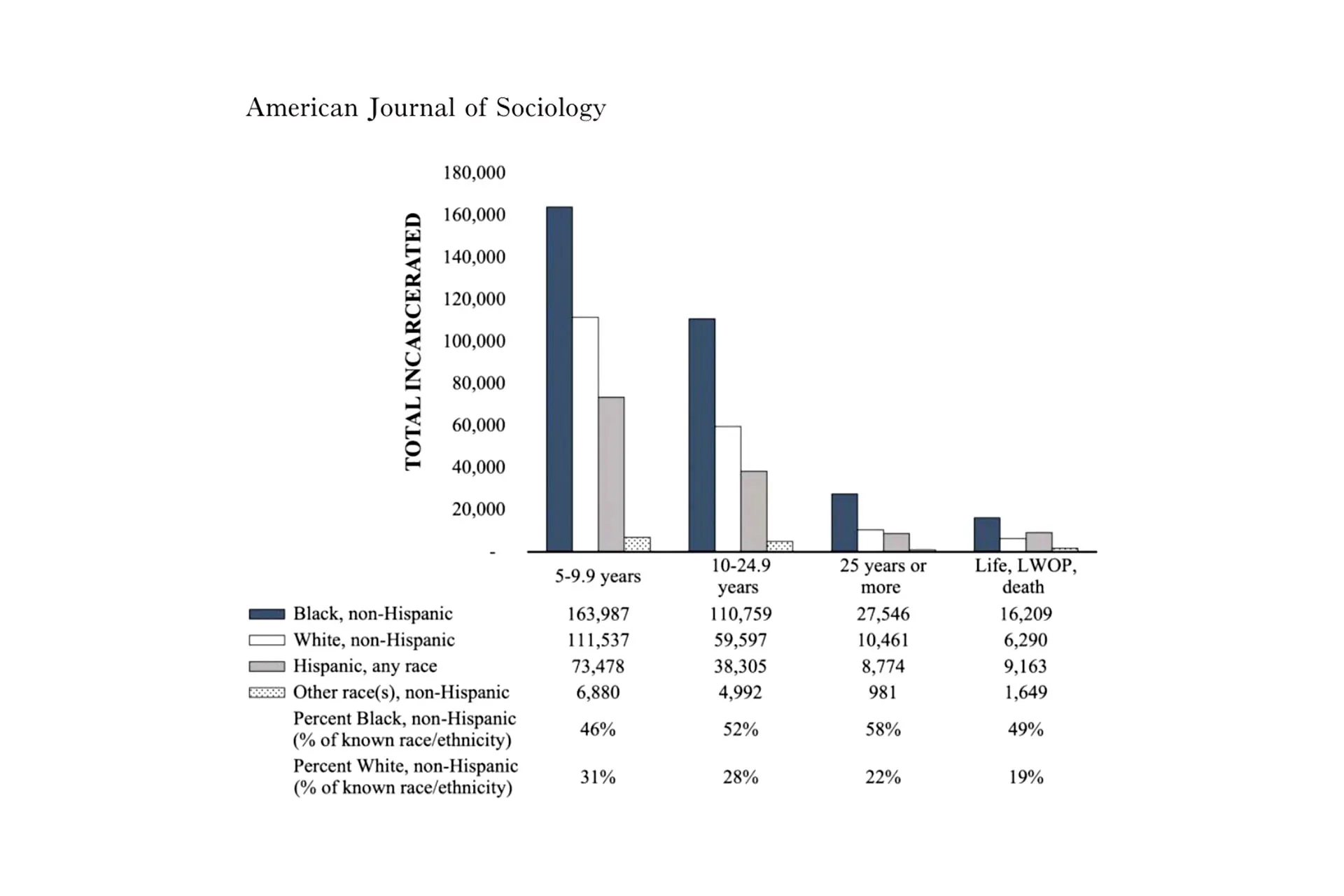
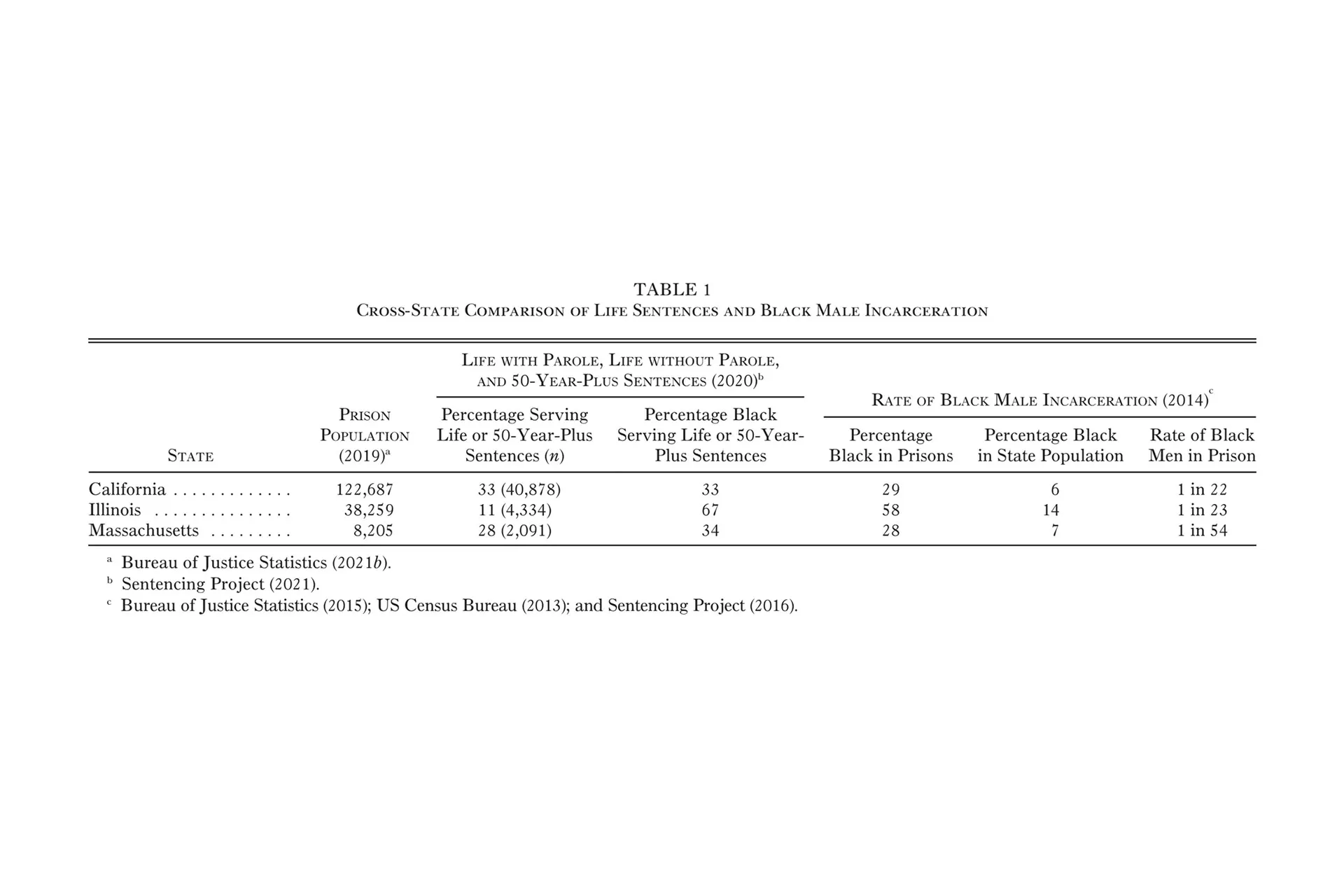
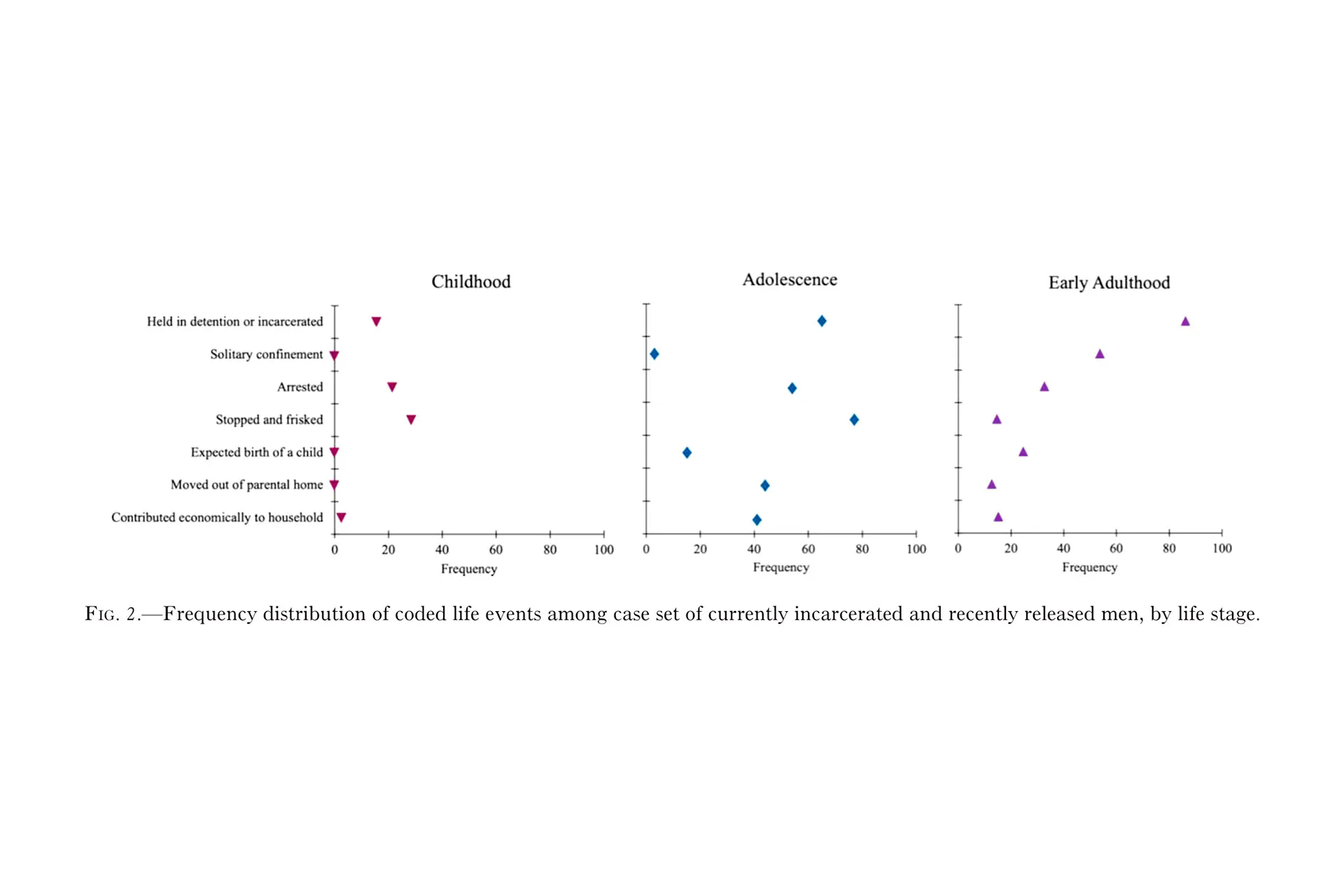
READ MOREImprisonment is recognized as routine in the lives of disadvantaged young men. Scholars center the impact of relatively brief prison experiences on postprison early adulthood, but this approach overlooks the many who are imprisoned for long periods. This study addresses this concern by analyzing interviews with African American and Afro-Latino men who were sentenced as youth and early adults to long prison terms. Prison-like conditions pervaded men’s life histories in ways that shaped how they made sense of incarceration and early adulthood.
Recognition: Winner, 2026 Joan Petersilia Outstanding Article Award for "the peer-reviewed article published in the previous calendar year that makes the most outstanding contribution to research in the field of criminology"; Winner, 2025 Distinguished Article Award, ASA Section on Crime, Law, and Deviance; Runner-Up/Honorable Mention, 2025 Outstanding Scholarly Contribution, ASA Section on Children and Youth
- 001.
Movements Against Mass Incarceration Lab
READ MOREThe Movements Against Mass Incarceration Lab is a public sociology and human rights documentation project founded with a $1.7 million grant from the Mellon Foundation.
- 002.
Contesting the State: Embodied Threat and the Emergence of Prisoner Mobilization
READ MOREPrior studies cast U.S. imprisonment as politically demobilizing. This article complicates that proposition by exploring when, and how, threat under penal confinement leads people to mobilize. Using interviews with currently incarcerated and recently released men across three states, I show that although imprisonment generally fosters political inaction, collective mobilization does arise under certain conditions.
Recognition: Winner, 2026 Distinguished Contribution to Scholarship Article Award, ASA Section on Collective Behavior and Social Movements; Winner, 2026 Distinguished Article Award, ASA Sociology of Law Section; Runner-Up/Honorable Mention, 2026 Distinguished Article Award, ASA Section on Crime, Law, and Deviance; Runner-Up/Honorable Mention, 2026 Distinguished Contribution to Scholarship Article Award, ASA Political Sociology Section